SNK Medical
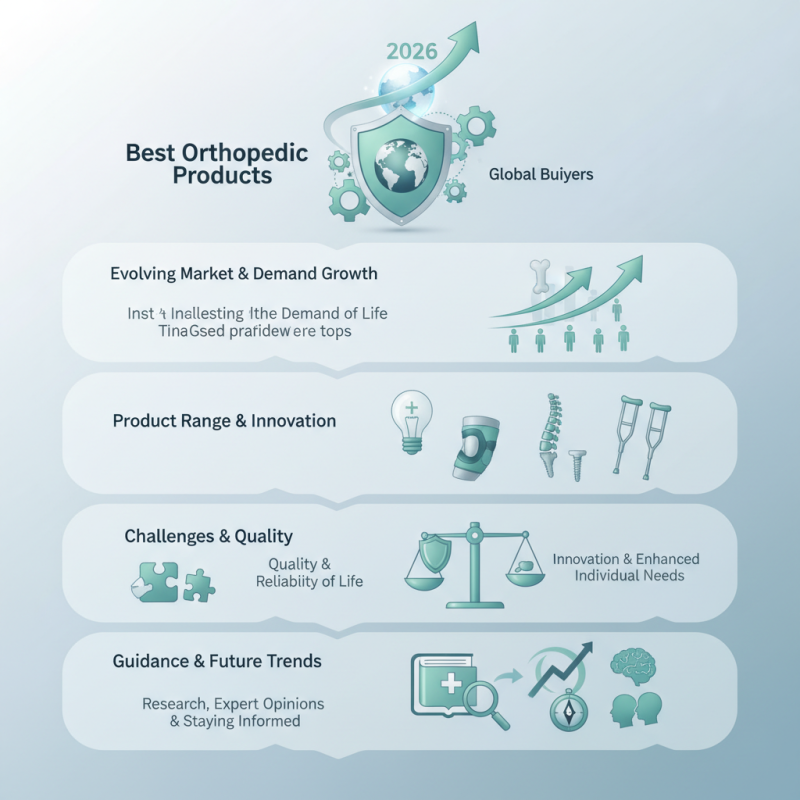
The orthopedic market is rapidly evolving, making it crucial for global buyers to stay informed. As we look ahead to 2026, the demand for orthopedic products will grow. The innovation in these products aims to enhance the quality of life for many.
Orthopedic products range from braces to implants. Each item has its specific purpose, addressing various musculoskeletal issues. Yet, challenges remain. Some products may not meet individual needs. Understanding these challenges is essential for buyers. Quality and reliability are paramount in this field.
Buyers must consider expert opinions when choosing orthopedic products. Research from authoritative sources can guide decisions. As we navigate this landscape, reflecting on our choices will lead to better outcomes. Staying engaged with trends in the orthopedic sector will only benefit buyers in their quest for the best products.
In 2026, the orthopedic products market will see significant evolution. One of the key trends is increased demand for personalized orthopedic solutions. Patients seek customized products that cater to their unique body structures. This shift reflects a growing understanding of individual needs in treatment and recovery. The integration of advanced technology enhances these tailored offerings.
Additionally, digital health tools play a pivotal role. Wearable devices monitor patients' progress in real-time. This allows for adjustments in orthopedic treatments, fostering better outcomes. However, the reliance on technology raises questions. Are we losing the human touch in patient care? Balancing innovation with personal interaction will be crucial.
Sustainability is another critical trend shaping the market. Eco-friendly materials are gaining traction. Buyers are becoming more conscious of environmental impacts. The challenge lies in meeting sustainability goals without compromising product quality. The orthopedic industry must navigate these complex dynamics to remain relevant.
As we look toward 2026, the orthopedic device market is projected to witness substantial growth. Studies show a compound annual growth rate (CAGR) of 5% from 2021 to 2026. This reflects increased consumer demand for high-quality orthopedic products. Key features of in-demand orthopedic devices reflect evolving consumer expectations.
One essential aspect is ergonomics. Devices that promote proper body alignment are crucial. Many consumers seek products that reduce discomfort and prevent injuries. Innovations in materials also play a significant role. Lightweight, durable options can enhance mobility and ease of use. According to market reports, over 40% of consumers prioritize comfort features when selecting orthopedic devices.
Additionally, technology integration is transforming the orthopedic landscape. Wearable devices with real-time monitoring capabilities are gaining popularity. These devices provide feedback on movement patterns, enabling better recovery. Yet, not all devices meet these technological standards. Some options may lack efficacy, necessitating careful evaluation by consumers. Ultimately, the orthopedic products that succeed will blend comfort, durability, and advanced technology—addressing both immediate needs and long-term health prospects.
| Product Type | Key Features | Target Audience | Price Range (USD) | Market Trends |
|---|---|---|---|---|
| Knee Braces | Adjustable support, lightweight design, moisture-wicking fabric | Athletes, seniors, post-surgery patients | 50 - 200 | Increasing demand for home care solutions |
| Orthotic Insoles | Customizable fit, enhanced cushioning, shock absorption | Diabetics, active individuals, those with foot pain | 30 - 100 | Growing popularity in sports and wellness sectors |
| Back Support Belts | Lumbar support, adjustable straps, breathable materials | Construction workers, office workers, chronic pain sufferers | 40 - 150 | Shift towards workplace wellness programs |
| Shoulder Supports | Adjustable design, enhanced stability, pain relief | Athletes, post-rehabilitation patients | 60 - 180 | Expanding interest in sports injury prevention |
| Ankle Supports | Compression fit, enhanced mobility, breathable fabrics | Runners, recreational athletes, elderly | 25 - 120 | Rising consumer preference for active lifestyles |
The orthopedic industry is on the brink of a revolution. Innovative materials are reshaping how we approach patient care. From lightweight composites to flexible polymers, these advancements enhance comfort and mobility for users. The integration of smart technologies adds another layer of sophistication. Wearable sensors that track movement provide valuable data for rehabilitation.
3D printing is making waves in orthopedics. It allows for custom implants tailored to individual needs. This personalization fosters better fitting and improved outcomes. However, the technology is still developing. Challenges remain in regulatory approvals and material consistency.
Moreover, biocompatible materials are crucial for minimizing rejection rates. They interact well with body tissues and reduce inflammation. Yet, the complexity of biological responses can lead to uncertainties. Further research is needed to fully understand these interactions. The race towards innovation in orthopedic products is exciting, but it’s essential to remain grounded in practicality and patient safety.
Regulatory standards play a crucial role in the global supply of orthopedic products. These guidelines ensure safety and efficacy, affecting how manufacturers design and test their products. In 2026, compliance with international standards will likely be more stringent. Understanding and adhering to these regulations is essential for global buyers.
Manufacturers must navigate varying regulations across regions. For instance, what’s acceptable in one country may not meet the standards in another. This disparity can lead to challenges in supply chains and market entry. Buyers should consider the regulatory landscape when selecting orthopedic products.
Tips: Always verify the certifications of the products you intend to purchase. Engaging with regulatory consultants can provide clarity. Staying updated on changes in regulations is crucial. This can prevent unexpected delays or complications in product availability. Remember, the cost of non-compliance can be high. Getting it right from the start pays off in the long run.
In 2026, the global orthopedic market is projected to reach approximately $61 billion, according to recent industry reports. As demand grows, buyers must devise strategies to source quality orthopedic goods. Understanding the latest trends is crucial. For example, the aging population drives increased orthopedic product needs. This trend offers both challenges and opportunities for buyers.
A vital tip for sourcing orthopedic goods is to prioritize suppliers with robust quality control processes. According to the FDA, over 80% of orthopedic device recalls were due to quality issues. Ensuring that potential suppliers adhere to international quality standards can minimize risks. Further, establishing strong communication with suppliers helps clarify product specifications and expectations.
Buyers should also consider region-specific regulations. Each market has unique compliance requirements, which can complicate sourcing efforts. Another essential tip is to engage in regular market analysis. Staying informed about emerging technologies and materials can lead to better purchasing decisions. In an evolving market, flexibility is important. Assessing feedback on product performance helps buyers refine their strategies for sourcing.
: Increased demand for personalized orthopedic solutions is a major trend. Patients want products tailored to their unique needs.
Wearable devices monitor patient progress in real-time. This allows for timely adjustments to treatments, improving outcomes.
There are concerns about losing the human touch in care. Balancing technology with personal interaction is essential.
Eco-friendly materials are becoming more important. Buyers are increasingly aware of the environmental impacts of their choices.
Buyers should prioritize suppliers with strong quality control processes. This reduces the risk of issues with product quality.
Each market has unique compliance requirements. This can complicate the sourcing process for orthopedic products.
Regular market analysis is vital. Staying updated on emerging technologies helps buyers make better purchasing decisions.
Balancing sustainability with product quality is challenging. Compromising on quality can lead to customer dissatisfaction.
Strong communication helps clarify product specifications. This can prevent misunderstandings and ensure better outcomes.
Regularly assessing feedback on product performance is key. This helps buyers adapt their strategies to market demands.
The article "Best Orthopedic Products for Global Buyers in 2026" explores the dynamic landscape of the orthopedic products market. It highlights the top trends that are expected to drive growth in 2026, emphasizing consumer demand for innovative devices that incorporate advanced materials and technologies. Key features sought after by consumers include enhanced durability, usability, and effectiveness in treatment outcomes.
Moreover, the article discusses the regulatory standards that significantly influence the supply chain for orthopedic products, ensuring safety and quality for global buyers. Finally, it outlines strategies for these buyers to successfully source high-quality orthopedic goods, focusing on the importance of market research and supplier verification in an increasingly competitive environment.
