How to Choose the Right Orthopedic Equipment for Your Needs?

Time:2026-07-04 Author:Ethan
0%

Choosing the right orthopedic equipment is crucial for optimal recovery and mobility. Dr. Jane Smith, a renowned orthopedic surgeon, emphasizes, "The right tools can make all the difference in rehabilitation." This statement highlights the importance of understanding one's unique needs when selecting orthopedic gear.

Orthopedic equipment varies widely, from braces to prosthetics. Each type serves a specific purpose, tailored to individual conditions and recovery goals. The options may seem overwhelming, especially with advancements in technology and materials. It's essential to consider factors such as comfort, support, and the extent of mobility desired. Many patients struggle to find the perfect fit, leading to frustration.

In the quest for the ideal orthopedic solution, reflection is critical. Ask yourself: What are your specific challenges? Are you prioritizing function over comfort? Each choice influences your healing journey. Therefore, taking a thoughtful approach can enhance your experience and outcomes with orthopedic care.
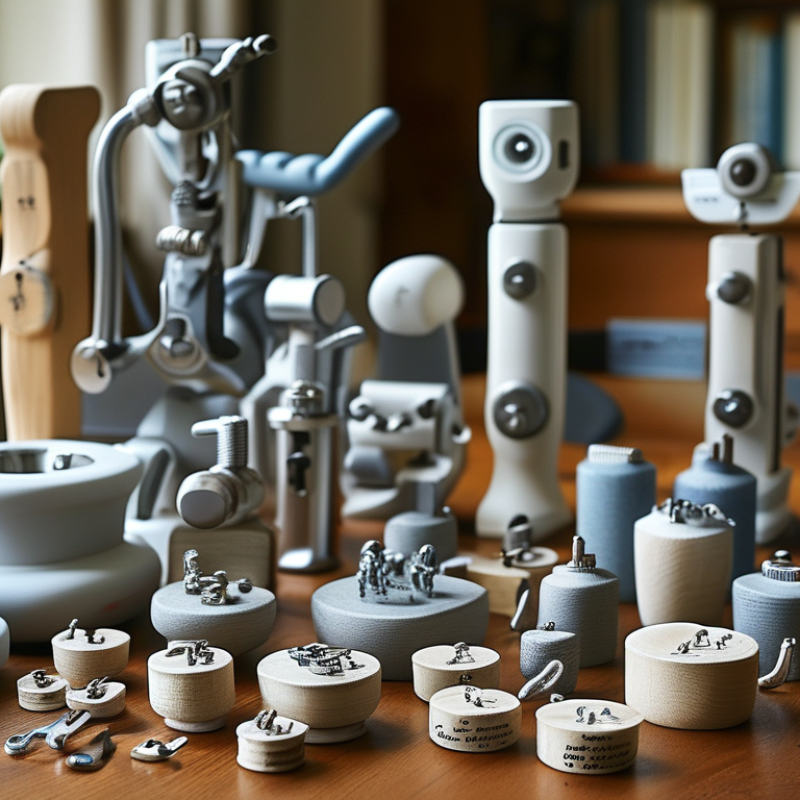
How to Choose the Right Orthopedic Equipment for Your Needs?

Understanding Different Types of Orthopedic Equipment Available

When selecting orthopedic equipment, understanding the types available is crucial. There is a broad range of options, each tailored for different needs. Common categories include braces, splints, crutches, and wheelchairs. Each type serves unique purposes, from supporting healing to aiding mobility. Knowing the specifics of each can make a significant difference in your recovery process.

Consider your situation before choosing. Evaluate the level of support you need. Short-term injuries may require a simple knee brace, while chronic conditions often need complex solutions. Always consult an expert to identify the best equipment for your condition.

Tips: Pay attention to comfort. Ill-fitting equipment can lead to further issues. Check the weight and adjustability of braces or supports. Always test equipment before committing. Listen to your body; if it feels wrong, it might be. Prioritize options that allow ease of movement. Remember, the right orthopedic equipment can enhance your quality of life significantly.

Assessing Your Specific Medical Needs and Conditions

Choosing the right orthopedic equipment begins with understanding your specific medical needs. Conditions such as arthritis, osteoporosis, or post-surgical recovery require tailored solutions. According to a study from the American Academy of Orthopaedic Surgeons, customized orthopedic devices can improve patient outcomes by over 30%. This statistic emphasizes the importance of personalized assessments.

Evaluate your daily activities and capabilities. Can you manage without assistance? If mobility is a challenge, consider devices designed for stability and support, like walkers or crutches. Analyze your physical therapies too. A report from the National Institute of Health notes that 40% of patients improve significantly with the right brace or splint. This indicates how crucial it is to select equipment that aligns with your therapy goals.

Additionally, always consult with healthcare professionals. Misunderstandings about equipment can lead to prolonged recovery or additional injury. Regular assessments of your situation can lead to necessary adjustments. A survey noted that 25% of patients switched their initial equipment due to feedback from healthcare providers. This suggests an ongoing dialogue is essential for optimizing your choices and ensuring your orthopedic needs are met effectively.

Evaluating the Features and Specifications of Equipment

Choosing the right orthopedic equipment often starts with a careful evaluation of its features. Look for adjustable components that can accommodate various body types and needs. This adaptability is crucial, as it ensures optimal comfort during use. Pay attention to the materials used in construction. High-quality materials enhance durability and support.

When assessing specifications, consider weight limits and dimensions. A piece of equipment that is too large or too small can lead to ineffective treatment and discomfort. It’s also essential to check for safety features like grips and stability. These can prevent injuries during rehabilitation exercises.

Take time to reflect on specific needs. Each person’s journey differs, so what works for one may not fit another. Be ready to seek professional advice if unsure. Evaluate feedback from other users but remember to focus on what truly matters for your situation. The journey towards recovery is personal, making the right choice vital.

Orthopedic Equipment Features Comparison

Considering Budget and Insurance Coverage for Equipment

When selecting orthopedic equipment, budget and insurance coverage are vital factors. A recent study found that nearly 40% of patients experience financial stress due to unexpected medical expenses. Always check your insurance plan to see what equipment is covered. Some policies may only cover specific brands or types, limiting your options.

Understanding costs helps you make informed decisions. Basic orthopedic braces can range from $30 to over $300, depending on complexity and materials used. Many healthcare providers recommend equipment based on insurance reimbursements rather than specific medical needs. This could lead to mismatches between the best options and what's available under coverage. Seek clarity from healthcare providers about what’s financially feasible.

Consider asking the provider about rental options. Renting can significantly lower upfront costs. Many patients find themselves in urgent need and overlook long-term expenses. Always evaluate your individual needs against the equipment’s durability and effectiveness. Quality of life is paramount, but financial constraints often complicate choices. Balancing needs with budget can seem daunting, yet it’s essential for proper recovery.

Seeking Professional Recommendations and Reviews on Equipment

Choosing the right orthopedic equipment can be challenging. It's essential to seek professional recommendations and reviews. Getting insights from healthcare providers ensures you make informed decisions. They can guide you based on your medical needs and personal preferences.

When reviewing equipment, consider user feedback. Look for consistent positive remarks about comfort and effectiveness. Check resources like patient forums or discussion groups. This information can provide a comprehensive view of the product’s performance in real-life situations.

Tips: Always consult with your doctor before purchasing. They can evaluate your specific condition and suggest suitable options. Also, read multiple reviews to spot any recurring issues or praises. Keep in mind that individual experiences may differ; someone else’s favorite may not suit you. In your research, consider both the pros and the cons of the equipment. Balancing different perspectives leads to better choices.

FAQS

: How do I determine my specific medical needs for orthopedic equipment?

: Assess your conditions like arthritis or recovery needs. Tailored solutions improve outcomes significantly.

Why is consulting a healthcare professional important?

Misunderstandings can lead to prolonged recovery. Regular dialogue ensures your needs are met effectively.

What should I consider when evaluating orthopedic equipment features?

Look for adjustable components and high-quality materials. Durability and comfort are crucial for effective treatment.

Why is user feedback important in selecting equipment?

Consistent positive remarks indicate comfort and effectiveness. It helps in understanding real-life performance.

What if the equipment I choose doesn’t fit my needs?

Regular assessments are essential. Stay open to switching equipment based on feedback from professionals.

How does the size of orthopedic equipment affect its usage?

A piece that is too large or small can cause discomfort and reduce effectiveness in treatment.

Should I rely solely on my experience when choosing orthopedic devices?

Personal experiences vary greatly. It's wise to balance your preferences with professional advice and user reviews.

What safety features should I look for in orthopedic equipment?

Check for grips and stability features. These can prevent injuries during rehabilitation exercises.

How often should I reassess my orthopedic equipment choices?

Regular evaluations are important. Changes in your condition might require adjustments to your equipment.

What is the role of material quality in orthopedic equipment?

High-quality materials enhance durability. They provide better support, crucial for your rehabilitation journey.

Conclusion

Choosing the right orthopedic equipment is crucial for effective treatment and recovery. First, it’s important to understand the various types of orthopedic equipment available, such as braces, mobility aids, and supports. Each type serves different purposes, so identifying your specific medical needs and conditions is essential.

Additionally, evaluating the features and specifications of the equipment will help ensure it suits your requirements. Consideration of your budget and any applicable insurance coverage is also necessary, as orthopedic equipment can vary significantly in cost. Finally, seeking professional recommendations and reviews can provide valuable insights, guiding you towards the most suitable option to aid in your recovery or pain management. By carefully assessing these factors, you can make an informed choice that supports your orthopedic health.

Ethan

Ethan

Ethan is a seasoned marketing professional with a deep expertise in our company's innovative product line. With a passion for sharing knowledge and insights, he takes the lead in regularly updating our corporate blog, where he explores industry trends, product features, and effective marketing......