Choosing the right orthopedic products is essential for effective treatment and comfort. With a wide range of options available, the task can be daunting. Each individual has unique needs based on their condition, activity level, and lifestyle. Proper orthopedic support can significantly enhance mobility and reduce pain.
When selecting orthopedic products, it’s crucial to consider both professional advice and personal experiences. Consulting with healthcare providers can ensure you choose the right device tailored to your specific challenges. However, experiences may vary. What works for one person might not work for another. This highlights the importance of trial and error in finding the best fit.
Many factors influence your choice: comfort, material, and design. For example, braces should offer support without being restrictive. Remember, selecting orthopedic products is a personal journey. It's not just about buying a product; it’s about improving life quality. Take time to reflect on your needs and outcomes. This reflection will guide you toward making a more informed choice.
Understanding Your Orthopedic Needs and Conditions
Understanding your orthopedic needs is crucial for choosing the right products. Begin by assessing your specific condition. Are you dealing with joint pain, a past injury, or a chronic issue? Speak to a healthcare provider for advice. They can guide you in identifying the type of support you need.
Tips: Consider your daily activities. An active lifestyle may require different products compared to a more sedentary one. Take note of the areas that need support, like knees, hips, or back. Comfort is key, so don’t hesitate to try various options. Sometimes, what seems perfect might not feel right in practice.
You should also consider trying a few products before committing to one. Not every item is suited to your needs, despite online reviews. This trial and error might lead to unexpected discoveries. Remember, what works for someone else may not work for you. Being aware of your body’s response is essential. Over time, you’ll find the best solutions that fit your unique needs.
Types of Orthopedic Products Available on the Market
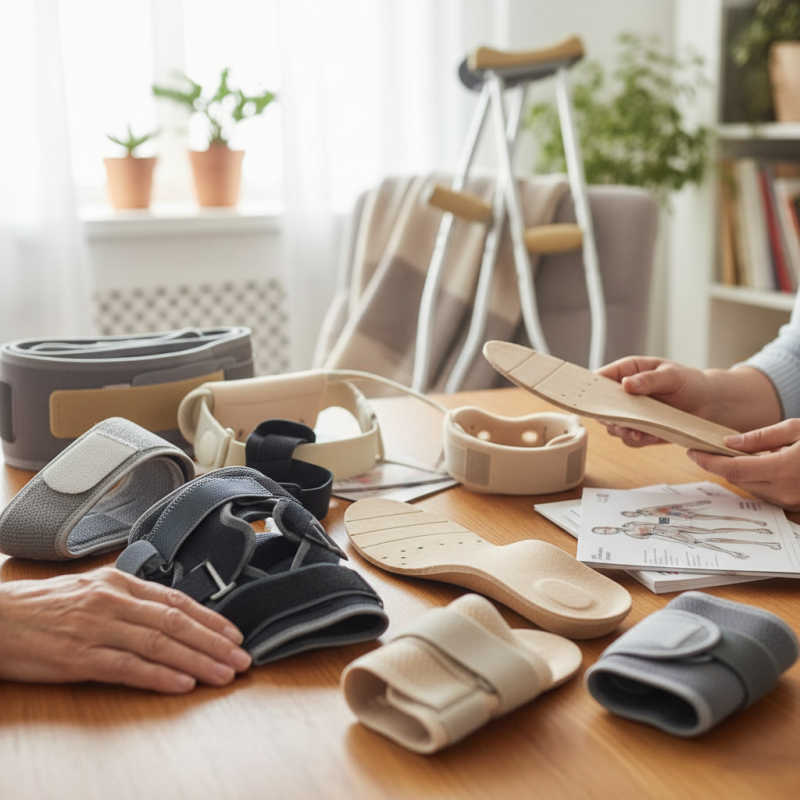
When selecting orthopedic products, it's essential to understand the various types available. Common categories include
braces, supports, and orthopedic footwear. According to a report by
Grand View Research, the global orthopedic device market is projected to reach $66.2 billion by 2025.
This growth reflects the rising demand for effective solutions to support joint and bone health.
Braces are crucial for stabilizing injuries. They provide alignment and support during recovery.
Different materials and designs cater to various conditions. For instance, a knee brace can help with ligament injuries,
while a wrist brace aids in carpal tunnel syndrome. Supports, such as elastic bandages, are often used for
compression therapy. Each type has its unique function and application, which can be overwhelming to navigate for consumers.
Orthopedic footwear plays a vital role in overall health. Proper shoes can alleviate discomfort and prevent further injuries.
According to the American Podiatric Medical Association, around 77% of Americans experience
foot problems. Choosing the right footwear is often overlooked. Many individuals lack awareness of how critical it is to
select shoes that provide adequate support and cushioning. Evaluating specific needs, whether it's arch support or cushioning,
is vital for long-term comfort.
Factors to Consider When Choosing Orthopedic Products
When choosing orthopedic products, several factors come into play.
Your specific needs should guide your decision. Consider your age,
activity level, and any existing medical conditions.
These elements impact the type of support you require. Comfort is another crucial aspect.
An orthopedic product should feel good to wear throughout the day.
Tips to consider include consulting with a healthcare provider.
They can offer insights based on your unique situation.
Customization options are also worth exploring. Tailor-made products often provide better support than generic versions.
The materials used are important too. Breathable fabrics
and lightweight structures enhance comfort and usability.
Don’t overlook the practical aspects. Think about how easy it is to maintain the product.
Cleaning and storage should not become burdensome. Moreover, if possible,
test the product before committing.
Sometimes, products may look good but may not feel right in use.
It’s an area that requires reflection and careful evaluation.
How to Evaluate the Quality and Fit of Orthopedic Gear
When choosing orthopedic gear, evaluating quality and fit is essential. Proper fit can enhance comfort and improve mobility. High-quality materials should be durable and breathable. This contributes to long-lasting support for your body. You might feel tempted to opt for cheaper options, but investing in better products pays off.
Here are some tips to help you assess orthopedic products. Check for adjustable features. These allow a customized fit. Ensure there is sufficient padding to prevent irritation. Look for products designed by professionals in the field. Their expertise often leads to better design and functionality.
Don’t forget to consult with healthcare professionals. They can provide personalized recommendations. Pay attention to your body’s feedback when trying on products. If something doesn’t feel right, it’s crucial to reassess your choice. Sometimes, a product may seem good on the surface but fails to deliver in real-life situations. Ultimately, finding the right orthopedic product can take time. Keep an open mind as you explore various options.
Consulting Professionals: When to Seek Expert Advice in Orthopedics
When dealing with orthopedic issues, expert advice is invaluable. A qualified orthopedic specialist can assess your specific condition, which is crucial for effective treatment. For example, if you experience chronic pain in your knees, a professional can help identify whether you need braces, injections, or surgery. This tailored approach ensures you receive the most suitable orthopedic products for your situation.
It’s common for individuals to self-diagnose or rely on online information. While this may seem convenient, it often leads to poor choices. An improper fitting brace or the wrong type of support can worsen your condition. Reflections on past experiences can highlight how seeking a professional’s insight could have changed the outcome. When unsure, trust the experts who understand your unique needs and can provide reliable recommendations tailored for you. Always prioritize consulting a specialist when exploring orthopedic options.
How to Choose the Right Orthopedic Products
This chart represents the percentage of individuals who seek expert advice in orthopedics based on their needs. The data reflects the most common reasons for consulting orthopedic professionals.
FAQS
: Common types include braces, supports, and orthopedic footwear. Each serves unique purposes for joint and bone health.
Braces stabilize injuries and provide support. They help align the affected area during the recovery process.
Look for shoes that offer adequate support and cushioning. Assess your specific needs, like arch support, for comfort.
Consider your age, activity level, and medical conditions. These factors influence the type of support you may need.
An orthopedic product should feel good to wear all day. Testing the product before use is highly recommended.
Yes, a healthcare provider can provide valuable insights tailored to your unique situation and needs.
Custom options often provide better support than generic versions. They cater to individual requirements more effectively.
Select breathable fabrics and lightweight structures. These materials enhance comfort and usability during daily activities.
Easy cleaning and storage are crucial. Maintenance should not become a burdensome task, affecting product use.
Take time to evaluate how the product feels during use. Reflection helps in making informed decisions about your needs.
Conclusion
Choosing the right orthopedic products is crucial for addressing individual needs and conditions effectively. Understanding your specific orthopedic requirements, such as existing health issues and lifestyle, is the first step. Various types of orthopedic products are available, including braces, splints, and footwear, each designed to cater to different problems.
When selecting orthopedic products, consider factors such as material quality, comfort, and fit, as well as your personal activity level. Evaluating the quality and fit of these products ensures optimal support and aids in recovery. Additionally, seeking professional advice from orthopedic specialists can provide tailored recommendations and help you make informed decisions, especially when in doubt about the best options for your orthopedic needs.
 SNK Medical
