2026 Essential Guide to Orthopedic Supplies for Global Buyers

Time:2026-05-22 Author:Sophia
0%

In the evolving landscape of global healthcare, orthopedic supplies play a critical role. Dr. John Smith, a renowned orthopedic surgeon, once stated, "The right orthopedic supplies can change the course of recovery." This highlights the need for buyers to understand the market nuances and product effectiveness.

Orthopedic supplies range from braces to implants, each crucial for patient outcomes. Selecting the right products requires in-depth knowledge. Buyers must consider factors such as material quality and supplier reliability. Not all products live up to their claims, creating potential challenges.

Moreover, global buyers face additional hurdles. Regulatory differences can complicate procurement. Understanding these regulations is vital for ensuring compliance and patient safety. Reflecting on past procurement choices can lead to improved strategies. In this guide, we aim to equip you with essential insights and actionable strategies as you navigate the orthopedic supply landscape.
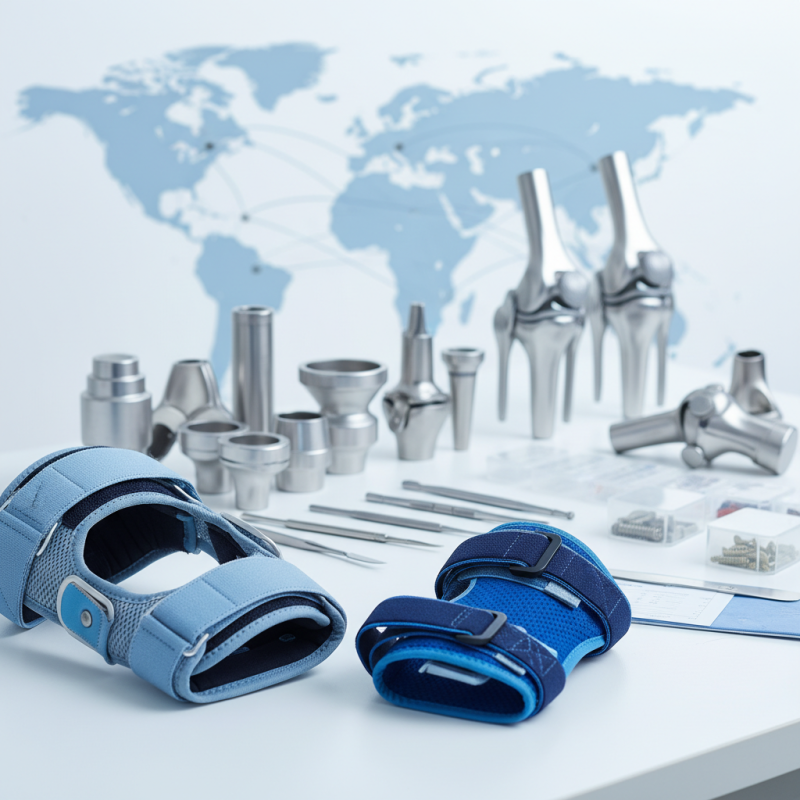
2026 Essential Guide to Orthopedic Supplies for Global Buyers

Overview of Orthopedic Supplies: Types and Uses

Orthopedic supplies are essential in the medical field. They assist in treating musculoskeletal issues. The types of supplies range greatly, each serving a specific purpose. Common items include braces, splints, and orthopedic shoes. These products provide support and alignment for injured or weakened limbs.

Braces help stabilize joints during recovery. They come in various styles, catering to different needs. Splints are often used in emergencies. They immobilize broken bones to prevent further injury. Orthopedic shoes offer additional comfort and support for individuals with foot problems. Each type of supply plays a crucial role in rehabilitation.

It’s important to thoroughly understand the uses of these supplies. Incorrect usage can lead to complications. For example, a poorly fitting brace may hinder healing rather than help. Medical professionals emphasize proper fitting and patient education. Those seeking orthopedic supplies should always consult with healthcare providers. Quality assurance is vital when selecting products.

Key Factors in Selecting Orthopedic Supplies for Global Markets

When selecting orthopedic supplies for global markets, several key factors come into play. Understanding diverse market needs is crucial. The global orthopedic devices market is expected to reach over $50 billion by 2026. This growth emphasizes the need for tailored products. Buyers must consider local demographics, prevailing health conditions, and purchasing power.

Quality assurance is another critical factor. A recent report highlighted that 75% of buyers prefer suppliers with rigorous quality control processes. This ensures that products meet international safety standards. Documentation and certifications are vital. Additionally, logistical challenges can affect product availability. Timely delivery is essential for healthcare providers relying on these supplies.

Moreover, cultural considerations cannot be overlooked. Each market may have unique preferences for materials and designs. Engaging with local healthcare professionals can provide valuable insights. This engagement fosters trust and promotes better product adoption. Many buyers still struggle with balancing affordability and quality. As the market evolves, continuous reflection on these factors is necessary for sustained success.

Regulatory Standards for Orthopedic Products Worldwide

Navigating the regulatory standards for orthopedic products globally is essential for buyers. Each region has its requirements that ensure safety and efficacy. Understanding these regulations can be complex. The variations often reflect local healthcare needs, technological advancements, and market conditions.

In Europe, CE marking is crucial. This certification indicates compliance with health, safety, and environmental protection standards. Meanwhile, the US has its FDA regulations. Achieving this can be challenging. The approval process is meticulous. Some manufacturers struggle to meet the stringent criteria. It underscores the need for robust quality management systems.

Investing in thorough research on these regulations is beneficial. Buyers should engage with experts to guide them through compliance. This reduces risks associated with product recalls and legal issues. Frequent changes in standards can also lead to non-compliance. Staying updated is vital for maintaining market access. Collaboration with regulatory bodies is a pathway to success.

Trends and Innovations in Orthopedic Supplies for 2026

The orthopedic supply industry is evolving rapidly, with innovative products and technologies shaping the landscape for 2026. One significant trend is the increased use of smart devices in orthopedic care. Wearable technologies can monitor recovery and provide real-time data, improving patient outcomes. As the market expands, global buyers must stay informed about these advancements.


Tips: When considering new orthopedic supplies, look for those that integrate technology. Smart solutions can lead to more efficient treatment plans. Also, investigate how data analytics can enhance post-operative care.


Another noteworthy innovation is the move towards customized orthotics. Advancements in 3D printing allow for tailored solutions that fit the unique anatomy of each patient. This trend is particularly beneficial for personalized rehabilitation. However, vendors need to ensure the reliability of their manufacturing processes. Quality control is crucial.


Tips: Always request samples before bulk purchases. Test new products for comfort and effectiveness. Engaging healthcare professionals in this process can provide valuable insights into potential challenges. The orthopedic supply market for 2026 offers much promise. Being proactive about trends is essential for success.

Best Practices for Sourcing and Distributing Orthopedic Supplies Globally

Sourcing and distributing orthopedic supplies globally requires careful planning and execution. It's essential to understand the nuances of different markets. Each region has unique needs and preferences when it comes to orthopedic products. Researching local regulations is crucial to ensure compliance and facilitate smooth operations.


Tips: Focus on building relationships with local suppliers. This can lead to better pricing and exclusive partnerships. Regular communication helps to understand market trends and end-user feedback.


Consider the challenges of logistics. Transportation costs can vary significantly across regions. Delays in shipping can impact service delivery. Therefore, establishing reliable logistics partners enhances efficiency. Look for solutions that offer real-time tracking to keep stakeholders informed.


Tips: Streamline your supply chain by employing digital tools. They help optimize inventory management. This reduces excess stock and minimizes wastage. Regularly review your processes to identify areas for improvement. Reflecting on your supply chain's performance is key. It may reveal hidden opportunities for growth and cost-saving.

FAQS

: What is essential for buyers of orthopedic products globally?

: Understanding regional regulatory standards is essential for ensuring safety and efficacy.

What does CE marking signify in Europe?

CE marking signifies compliance with health, safety, and environmental protection standards in Europe.

What challenges do manufacturers face in the US?

Manufacturers often struggle to meet stringent FDA regulations during the approval process.

Why is thorough research on regulations important?

Thorough research reduces risks related to product recalls and legal issues in the market.

How can buyers stay updated on regulatory changes?

Regularly engaging with experts and regulatory bodies helps maintain compliance and market access.

What should one consider when sourcing orthopedic supplies?

Understanding local market nuances and regulations is crucial for effective sourcing and distribution.

What logistical challenges can affect service delivery?

Transportation costs and shipping delays can significantly impact service delivery in different regions.

How can communication with local suppliers benefit sourcing?

Strong relationships can lead to better pricing and exclusive partnerships with local suppliers.

What digital tools can enhance supply chain efficiency?

Digital tools can optimize inventory management, reducing excess stock and minimizing wastage.

Why is it important to reflect on supply chain performance?

Reflecting on performance can uncover opportunities for growth and cost-saving improvements.

Conclusion

The "2026 Essential Guide to Orthopedic Supplies for Global Buyers" provides a comprehensive overview of essential orthopedic items, detailing their various types and clinical uses. It emphasizes the importance of understanding key factors when selecting orthopedic supplies, particularly for diverse global markets. The guide also addresses regulatory standards that govern orthopedic products worldwide, ensuring that all supplies meet safety and efficacy requirements.

Moreover, it highlights emerging trends and innovations in orthopedic supplies anticipated for 2026, which could influence market dynamics and consumer needs. Lastly, the article discusses best practices for sourcing and distributing orthopedic supplies on a global scale, promoting efficiency and compliance in the international market. This guide is an invaluable resource for stakeholders in the orthopedic industry looking to navigate the complexities of global supply chains effectively.

Sophia

Sophia

Sophia is a dedicated marketing professional with an exceptional depth of knowledge about her company's products and services. With a keen understanding of market trends and customer needs, she crafts insightful blog posts that not only inform but also engage readers, enriching the company’s online......