Why Orthopedic Care is Essential for Joint Health?

Time:2026-05-28 Author:Sienna
0%

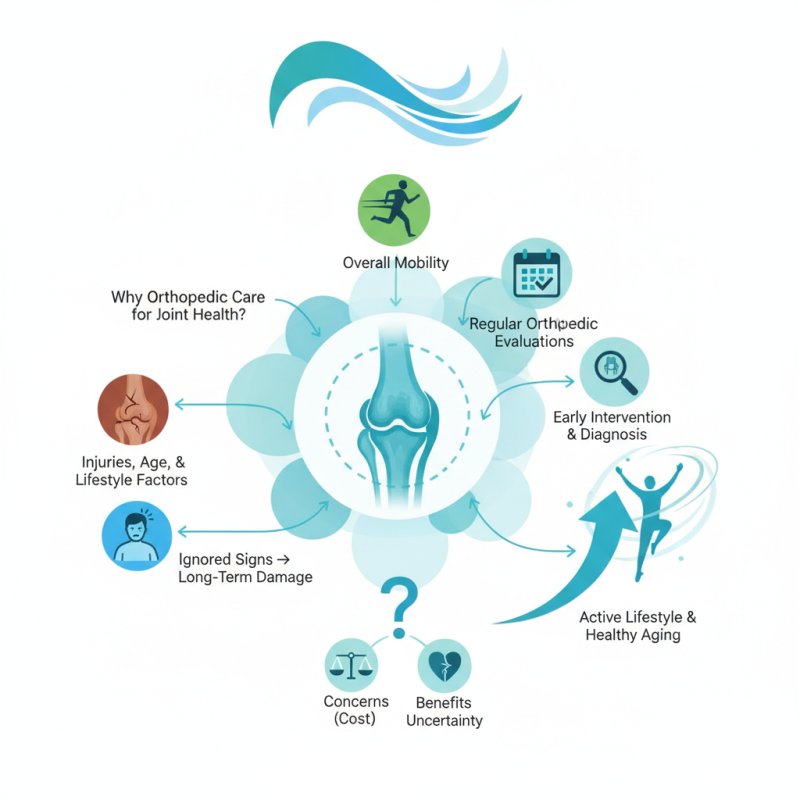
Orthopedic care plays a crucial role in maintaining healthy joints and overall mobility. Joints are complex structures that endure daily stress. They are essential for movement and a good quality of life. However, many people overlook the importance of regular orthopedic evaluations. They might not realize how their habits affect joint health over time.

Injuries, age, and lifestyle factors can lead to joint pain or dysfunction. Ignoring these signs can result in long-term damage. Orthopedic specialists have the training to diagnose and treat a variety of joint conditions. Their expertise can guide individuals towards preventive measures and suitable treatments. Regular check-ups can lead to early intervention, preventing severe issues.

Moreover, many struggle with the decision to seek specialized care. They may feel uncertain about the process or worry about costs. It's vital to weigh the benefits of orthopedic care against these concerns. Prioritizing joint health is essential for maintaining an active lifestyle. Embracing orthopedic care ensures that our joints continue to serve us well throughout life.
Why Orthopedic Care is Essential for Joint Health?

The Importance of Orthopedic Care in Joint Health

Orthopedic care plays a vital role in maintaining joint health. Joints are the body's connection points. Healthy joints allow for smooth movement and flexibility. As we age, wear and tear can lead to problems. Conditions like arthritis can hinder our daily activities. Orthopedic specialists use their expertise to diagnose and treat these issues effectively.

Seeking orthopedic care early can prevent significant complications. Regular check-ups help identify concerns before they escalate. Many do not realize the importance of joint health until pain disrupts their lives. Proper treatment can restore function and enhance quality of life. Patients often feel overwhelmed by choices. Understanding your situation makes a crucial difference. Engaging with a knowledgeable orthopedic team can empower you to make informed decisions about your care. Pain is not just a physical experience; it can lead to emotional challenges too. Addressing these concerns openly is essential for holistic recovery.

Common Joint Disorders Requiring Orthopedic Intervention

Joint disorders are common and can significantly impact daily life. Osteoarthritis is a leading cause of joint pain. It gradually wears down cartilage, leading to stiffness and swelling. Many people are affected as they age. Rheumatoid arthritis is another issue. It is an autoimmune disorder that attacks the joints, causing pain and deformity. These conditions require careful orthopedic evaluation.

Bursitis is another common issue. It involves inflammation of the bursae, small fluid-filled sacs that cushion joints. Movement can become painful and restricted. Tendinitis, often seen in athletes, occurs when tendons become inflamed from overuse. Ignoring these symptoms may worsen the condition. Timely orthopedic intervention can provide essential treatment options to reduce pain and regain function.

Physical therapy and medications are often part of the treatment plan. Sometimes, surgery is required to repair or replace damaged joints. A proper diagnosis from an orthopedic specialist is crucial to successful management. Understanding the gravity of these disorders can lead individuals to seek help sooner rather than later.

Preventive Measures in Orthopedic Care for Healthy Joints

Preventive measures in orthopedic care play a crucial role in maintaining joint health. Engaging in regular physical activity strengthens muscles around joints. This can significantly reduce the risk of injuries and joint-related issues. Low-impact exercises, such as swimming or cycling, are particularly beneficial. They enhance flexibility without putting excessive stress on the joints.

In addition to exercise, proper nutrition is vital. A diet rich in omega-3 fatty acids and antioxidants can help combat inflammation. Foods like salmon, walnuts, and leafy greens should be included. Staying hydrated is equally important to maintain joint lubrication. Some people overlook these basics and later struggle with joint pain or stiffness.

Routine check-ups with healthcare professionals are essential. They can identify potential issues before they escalate. Many individuals ignore early warning signs, thinking pain will go away. Educating oneself about joint health is necessary. Understanding personal risks can motivate better lifestyle choices. Prevention is often more effective than treatment when it comes to joint health.

Rehabilitation Strategies Offered by Orthopedic Specialists

Orthopedic specialists play a vital role in rehabilitation strategies for joint health. Their expertise helps guide patients recovering from injuries, surgeries, or chronic conditions. According to a report by the American Academy of Orthopaedic Surgeons, nearly 30% of adults will develop osteoarthritis, leading to joint pain and reduced mobility. Effective rehabilitation is crucial for these individuals.

Physical therapy is often a fundamental component of rehabilitation. Tailored exercise programs can improve strength and flexibility in affected joints. Research indicates that consistent physical therapy reduces the need for surgical interventions by up to 30%. Education on proper movement techniques and posture can greatly enhance recovery. Patients often report feeling more empowered when they understand their condition.

Another important strategy is the use of assistive devices. While they may seem unnecessary to some, proper use of braces or orthotics can alleviate pain and improve function. It's important for patients to engage in a dialogue with their orthopedic specialists about their specific needs and limitations. This approach ensures that the rehabilitation plan is both realistic and effective, fostering better outcomes. Regular follow-ups and adjustments to the treatment plan are essential.

The Role of Surgery in Restoring Joint Function and Health

Surgery can be a pivotal step in restoring joint function and health. Many people live with joint pain, which often stems from conditions like arthritis or injuries. When conservative treatments fail, surgical options become necessary. Procedures such as arthroscopy or joint replacement can alleviate pain and improve mobility.

The role of surgery is not solely about fixing the joint. It also involves enhancing the quality of life. Many patients report significant improvements after surgery, yet recovery can be a challenging journey. Rehabilitation is essential, and adherence to post-operative care is crucial. Without proper follow-up, the benefits of surgery may not be fully realized.

Some may hesitate to choose surgery, fearing complications or the possibility of failure. It is important to discuss these concerns with an orthopedic specialist. Understanding the risks and rewards can lead to more informed decisions. The goal is not just to fix the joint but to restore a person's ability to engage in daily activities. Ultimately, making these choices requires careful consideration and trust in the surgical process.

FAQS

: Why is orthopedic care important for joint health?

: Orthopedic care maintains joint health, allowing smooth movement and flexibility as we age.

What can happen if joint issues are ignored?

Ignoring joint issues can lead to significant pain and complications in daily activities.

What are common joint disorders that require orthopedic care?

Common disorders include osteoarthritis, rheumatoid arthritis, bursitis, and tendinitis.

How does physical therapy aid in recovery?

Physical therapy improves strength and flexibility, reducing the need for surgery by up to 30%.

What role do assistive devices play in rehabilitation?

Assistive devices, like braces, can alleviate pain and improve functionality for patients.

Why might patients feel overwhelmed in their orthopedic care?

Many face numerous treatment choices and may not fully understand their condition.

What emotional challenges can accompany joint pain?

Pain can lead to stress and anxiety, making emotional support essential for recovery.

How can patients ensure effective rehabilitation?

Engaging with orthopedic specialists about needs and limitations helps create a realistic plan.

What is a common misconception about joint health?

Many people don't realize joint health's importance until it starts to affect their lives.

Why are regular follow-ups important in orthopedic care?

Regular follow-ups allow for adjustments in treatment, ensuring better patient outcomes over time.

Conclusion

Orthopedic care plays a crucial role in maintaining joint health by addressing various common disorders that can impair functionality and quality of life. Conditions such as arthritis, tendon injuries, and ligament tears often necessitate orthopedic intervention to alleviate pain and restore mobility. Orthopedic specialists not only diagnose and treat these issues but also promote preventive measures, such as strength training and weight management, to protect joints from future damage.

Rehabilitation strategies offered by orthopedic professionals assist patients in recovering strength and flexibility post-injury or surgery. In cases where non-invasive treatments are insufficient, surgical options may be explored to restore joint function effectively. Overall, orthopedic care is essential for anyone looking to maintain healthy joints and an active lifestyle.

Sienna

Sienna

Sienna is a skilled marketing professional with a deep expertise in our company’s core products and services. With a passion for innovation and detail, she plays a pivotal role in crafting insightful blog posts that not only highlight the unique features of our offerings but also provide valuable......