Choosing the right orthopedic products is crucial for anyone seeking relief from musculoskeletal issues. With so many options available, the decision can be overwhelming. Quality orthopedic devices can significantly improve mobility and comfort. Yet, not all products serve every individual's needs. Personalized solutions are key.
Understanding your specific requirements is essential. Some may need additional support, while others might seek pain relief. It's important to consult professionals who specialize in orthopedic care. Their insights can guide your choices effectively. Many people underestimate the value of expert recommendations.
When selecting orthopedic products, consider factors like fit, adjustability, and durability. Each of these aspects affects the overall performance of the product. Real-life feedback from users can also provide valuable perspectives. Remember, finding the right orthopedic solution may take time and consideration. Reflect on your options before making a final decision.
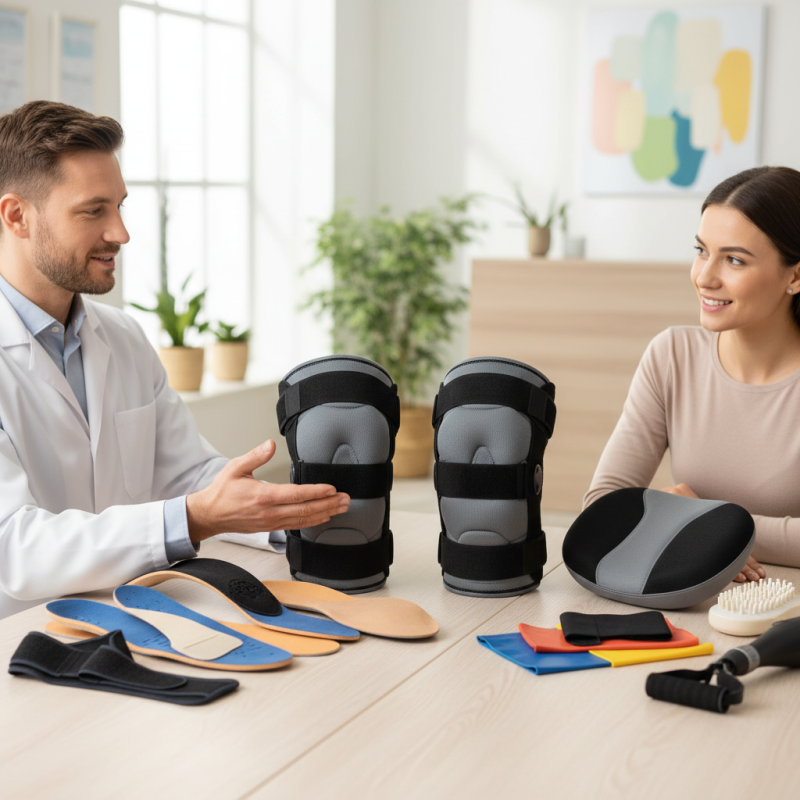
Understanding Your Orthopedic Needs and Goals
When selecting orthopedic products, understanding your specific needs and goals is crucial. According to the American Academy of Orthopedic Surgeons, over 54 million adults in the U.S. experience musculoskeletal conditions, emphasizing the importance of tailored solutions. Take time to assess your situation; a proper evaluation can guide you to the right choices.
Identify your goals. Are you looking for pain relief, mobility improvement, or support during recovery? Each aspect will influence the products you need. For instance, if you seek stability for joint injuries, consider braces or supports designed specifically for that purpose. Engagement with healthcare professionals can also yield valuable insights into what products will suit your requirements.
Evaluate comfort and fit. Poorly chosen products can lead to discomfort or increased pain. Look for options that allow a secure yet comfortable fit. Research reports show that 35% of users have reported dissatisfaction due to improper sizing. Testing options in-store can provide a better feel for what works best. Remember, investing time in understanding these factors can significantly enhance your orthopedic journey.
Evaluating the Types of Orthopedic Products Available
Choosing the right orthopedic products requires careful evaluation of the options available. There are various types of orthopedic products designed to support specific needs. These range from braces and supports to specialized footwear and surgical aids. Each product serves a unique purpose, making it crucial to understand what you need.
When evaluating orthopedic products, consider your specific condition. A knee brace might be ideal for someone recovering from an injury. However, it may not be suitable for individuals with chronic pain. Likewise, orthopedic shoes can provide support for certain foot conditions. Yet, not all shoes fit every need. Consulting with a healthcare professional can help clarify what to choose.
Remember to consider the features of each product. Fit, comfort, and adjustability are essential. Some products may require trial and error to find the right match. If you feel discomfort or if the product doesn’t seem effective, it may need reevaluation. Take your time in selecting what works best for you to ensure maximum benefit and relief.
10 Essential Tips for Choosing the Right Orthopedic Products
| Product Type |
Key Features |
Benefits |
Considerations |
| Orthopedic Braces |
Adjustable, Comfortable, Medical-grade Materials |
Supports Joint Alignment, Reduces Pain |
Ensure Proper Fit, Check for Mobility Enhancement |
| Orthotic Insoles |
Shock-Absorbing, Arch Support, Customizable |
Improves Posture, Eases Foot Pain |
Type of Foot Arch, Shoe Compatibility |
| Heat Therapy Products |
Microwaveable, Moist Heat, Reusable |
Relieves Muscle Tension, Increases Blood Flow |
Safety Precautions, Duration of Use |
| Cold Therapy Products |
Gel Packs, Compression Wraps, Adjustable Straps |
Reduces Swelling, Numbs Pain |
Duration of Cold Exposure, Skin Sensitivity |
| Support Pillows |
Ergonomic Design, Adjustable Fill |
Improves Sleep Quality, Alleviates Neck Pain |
Personal Comfort Level, Pillow Type |
Key Features to Consider When Selecting Orthopedic Aids
When selecting orthopedic aids, understanding key features is essential. Many users overlook the importance of fit. A proper fit ensures better support and reduces the risk of injury. According to a study by the American Academy of Orthopaedic Surgeons, nearly 50% of patients experience discomfort due to ill-fitting devices. Choosing the right size can significantly enhance comfort and functionality.
Material is another critical factor. It impacts durability and usability. For instance, breathable materials can prevent moisture build-up. This keeps the skin healthy and reduces irritation. A report from the Journal of Orthopedic Research highlighted that materials matter; those that allow airflow contribute to higher satisfaction rates among users.
When considering additional features, look for adjustable components. These promote a customized experience tailored to your needs. While many orthopedic products claim to be universal, a one-size-fits-all approach often leads to complications. Every individual's body is different, and finding an adjustable product can improve your overall experience. The right orthopedic aid can play a crucial role in recovery and mobility. Balancing these elements will empower you in making an informed choice.
Consulting Professionals for Personalized Recommendations
Selecting the right orthopedic products can be overwhelming. Collaborating with professionals is essential for personalized advice tailored to individual needs. According to recent studies, consulting with healthcare providers increases the likelihood of successful treatment outcomes by nearly 70%. Their insights can guide you in making informed choices based on your specific condition.
When seeking advice, consider visiting an orthopedic specialist or physical therapist. They can evaluate your situation, ensuring you find appropriate supports or braces. Listen closely to their recommendations regarding sizing and fit. A well-fitted product reduces the risk of further injury, while an ill-fitting one may exacerbate existing issues.
Also, keep in mind that not all products will suit everyone. Personal experiences and varying levels of comfort play significant roles. Do not hesitate to discuss your concerns with professionals. Their expertise often unveils options you may not have considered. Remember, prioritizing your unique needs will enhance your journey toward recovery and mobility.
Assessing Quality and Durability of Orthopedic Products
When selecting orthopedic products, assessing quality and durability is crucial. According to a 2022 industry survey, over 70% of users reported dissatisfaction due to premature wear and tear. This highlights the importance of materials used in construction. Products made with high-grade polymers or metal alloys tend to offer better longevity.
Reviews often cite how lightweight yet durable materials enhance user experience.
Certifications can signal quality. Look for products that meet ISO standards or have undergone clinical testing. These certifications ensure that the products have been subjected to rigorous evaluations. Notably, a 2021 report indicated that 85% of orthopedic products lacking certification faced higher return rates.
It's also essential to consider the ergonomic design aspect. Products that fit well and distribute weight evenly lead to fewer issues down the road.
Durability isn't solely about materials. User feedback plays a critical role. Customers often describe personal experiences that reveal hidden flaws, like inadequate support or uncomfortable fit. Reflecting on these insights can aid future purchases.
Balancing quality with cost is also a challenge. While cheaper options seem attractive, they often compromise on durability, leading to more significant expenses over time.
FAQS
: Knowing your specific needs can guide you to the right orthopedic products. It enhances your recovery and comfort level.
Think about pain relief, mobility improvement, or support during recovery. Each goal affects the products you should choose.
Test the products in-store. A secure and comfortable fit is essential to avoid discomfort or increased pain.
Professionals can provide personalized recommendations, improving the chances of successful treatment outcomes significantly.
Quality impacts longevity. Over 70% of users report issues with products that wear out quickly. Choose materials wisely.
Look for certifications and reviews. Products without certifications often face higher return rates due to hidden flaws.
Customer experiences can reveal problems like inadequate support. Reflecting on feedback helps guide better choices.
Cheaper options may compromise durability and comfort. They can lead to higher expenses in the long term.
Comfort is crucial. Poorly fitting products can worsen your condition, so prioritize comfort in your selection process.
Absolutely. Personal preferences and comfort levels are vital to finding the right orthopedic solutions for your situation.
Conclusion
Choosing the right orthopedic products is crucial for effectively addressing your specific needs and goals. Begin by understanding your unique orthopedic requirements, as this will guide you in evaluating the various types of orthopedic aids available, including braces, supports, and insoles. Key features such as material quality, comfort, and adaptability should be considered to ensure optimal support and functionality.
Consulting healthcare professionals can provide personalized recommendations tailored to your situation, enhancing your approach to orthopedic care. Additionally, assessing the quality and durability of these products will help you make informed decisions and invest in solutions that provide long-term benefits, ensuring you stay supported throughout your recovery or daily activities.
 SNK Medical
