SNK Medical
Orthopedic equipment supports the prevention, treatment, and recovery of musculoskeletal problems. It includes braces, crutches, walkers, traction devices, surgical instruments, rehabilitation tools, and custom supports. Some products stabilize a painful knee. Others help a patient stand safely beside a hospital bed.
Sports medicine specialist Dr. James Andrews is often quoted as saying, “Prevention is the best treatment.” That principle matters when choosing Orthopedic equipment. A brace should fit the injury, not merely look supportive. A walker should match the user’s height, balance, and home layout. Small details matter. A loose grip can cause a fall.
Buying decisions should begin with a clinical assessment. Doctors, physical therapists, and certified orthotists can identify the correct type and size. Product labels, weight limits, adjustment ranges, materials, warranty terms, and cleaning instructions deserve careful review. Certification and traceable manufacturing information also support reliability, but they do not replace professional advice.
Personal experience can reveal practical problems. A rigid brace may work well outdoors but feel uncomfortable during sleep. A heavy wheelchair may be durable but difficult to lift into a car. This is where many buyers make mistakes: they choose the most advanced product instead of the most suitable one.
Budget matters. So does after-sales support. A cheaper device may require early replacement. An expensive device may still fail if it does not fit the user’s daily routine. The right purchase balances safety, comfort, function, evidence, and realistic use. Even careful guidance has limits. Individual conditions differ, and equipment should never delay necessary medical evaluation.
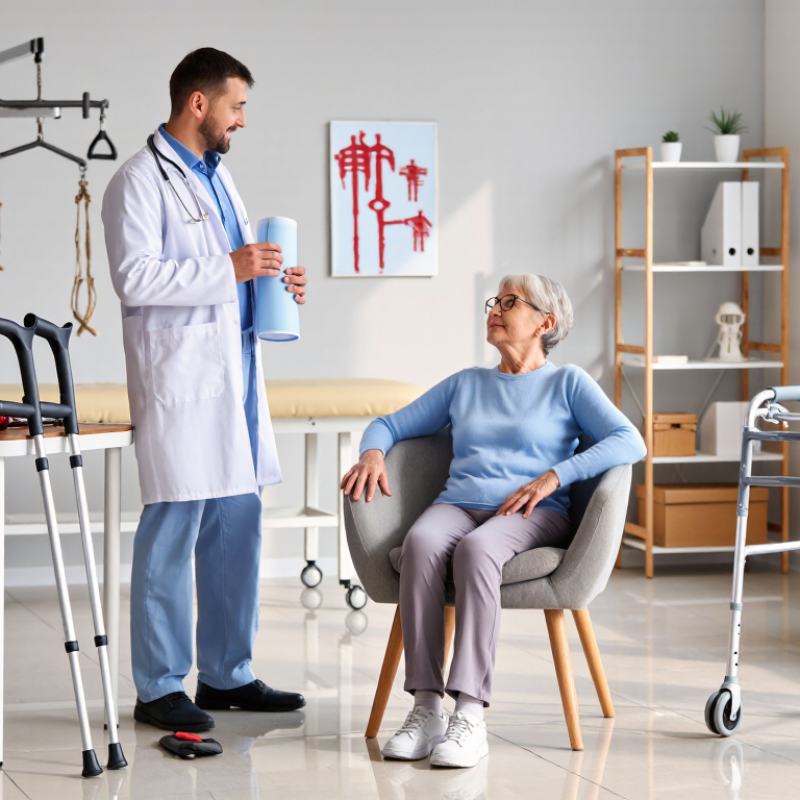
Orthopedic equipment includes tools that support, protect, or restore movement in bones, joints, and muscles. Common examples are knee braces, wrist splints, walking boots, crutches, walkers, and posture supports. Hospitals also use orthopedic beds, traction devices, and surgical instruments. Each item serves a different clinical purpose.
A brace can limit painful motion while allowing safe movement during recovery. A walker can improve balance, but its height must match the user’s wrists. Poor adjustment may strain the shoulders or increase fall risk. Materials also matter. Breathable fabric helps reduce skin moisture, while firm supports offer stronger stabilization. However, more support is not always better.
A qualified clinician should assess the injury before equipment is purchased. They can check swelling, range of motion, walking ability, and skin sensitivity. Measurements should be taken while the body is relaxed, not forced into position. Check the product’s weight limit, cleaning instructions, adjustment range, and replacement parts. A useful device should feel secure without causing numbness, sharp pressure, or color changes in the skin. Stop using it if symptoms worsen. Fit can change as swelling decreases, so an early adjustment may become unsuitable later. Even careful choices need review.
Orthopedic equipment supports movement, joint stability, recovery, and daily independence. Common categories include mobility aids, orthoses, prostheses, rehabilitation devices, and patient-transfer equipment. Mobility aids include canes, crutches, walkers, wheelchairs, and transfer boards. Orthoses include knee braces, ankle-foot supports, spinal braces, and custom splints. Prosthetic limbs replace missing body parts, while rehabilitation equipment uses controlled resistance or movement to restore strength.
The World Health Organization’s Global Report on Assistive Technology (2022) estimates that more than 2.5 billion people need at least one assistive product. That number could reach 3.5 billion by 2050. The need is not limited to older adults. Sports injuries, spinal conditions, fractures, neurological disorders, and post-surgical weakness also require orthopedic support. The Lancet’s 2023 low-back-pain series reported about 619 million cases worldwide in 2020, showing why spinal supports and rehabilitation tools remain relevant.
Choosing equipment should begin with a functional assessment, not a product category. A walker that is too tall can strain the shoulders. A rigid brace may restrict movement when controlled flexibility is more suitable. Fit, weight capacity, adjustability, skin protection, and cleaning requirements deserve careful review. A licensed clinician or trained rehabilitation specialist should confirm sizing and intended use. Online descriptions can be useful, but they often simplify clinical decisions. That is an uncomfortable limitation. Even professional recommendations may need revision as pain, strength, or mobility changes.
Orthopedic equipment supports movement, stability, protection, or recovery. Common examples include braces, walking aids, splints, supports, and transfer devices. The correct choice begins with your daily difficulty, not a product photograph. Do you struggle with stairs, standing, gripping, or sleeping comfortably? Write down when symptoms appear and what movement triggers them. Fit matters more.
The World Health Organization and UNICEF reported in the Global Report on Assistive Technology that over 2.5 billion people need assistive products worldwide. This number may exceed 3.5 billion by 2050. That scale shows why personal assessment matters. A walking aid for indoor floors may fail outdoors. A knee brace may restrict movement when excessive support is unnecessary. Do not guess. A qualified clinician should assess pain, strength, joint alignment, skin condition, and walking pattern. Ask for exact measurements and clear usage instructions.
Before buying, check the equipment’s size range, weight capacity, adjustment points, materials, cleaning method, and repair options. Test it with normal clothing and realistic movements. A device that feels comfortable for two minutes may cause pressure after an hour. This is an easy mistake to overlook. Review the WHO’s practical guidance and any applicable national safety requirements. Keep the assessment record, fitting notes, and return conditions. Reassess the equipment if your symptoms, body weight, mobility, or treatment plan changes.
Orthopedic equipment supports movement, stability, or recovery after injury. Common examples include braces, walkers, crutches, wheelchairs, and posture supports. The right choice depends on your condition, body measurements, daily routine, and treatment plan. A device that looks comfortable may still restrict circulation or worsen joint stress.
Ask a qualified healthcare professional for an assessment before purchasing. They can check your gait, muscle strength, balance, and range of motion. Measure carefully, especially around the knee, wrist, waist, or foot. Check the equipment’s weight limit and adjustment range. It should feel secure, not painfully tight. Watch for numbness, skin redness, loose straps, or unusual pain.
Safety details matter. Choose durable materials, stable grips, smooth edges, and easy-to-clean surfaces. Test a walker on both hard floors and uneven ground. For powered equipment, inspect the brakes, controls, battery, and emergency stopping function. Request clear instructions and confirm whether replacement parts are available. Avoid products with unclear specifications or exaggerated medical claims.
Online descriptions can be incomplete. That is easy to underestimate. Photos may hide weak hinges or poor fitting. A return policy helps, but it cannot replace professional guidance. Recheck the fit after swelling changes or several days of use. Even a carefully selected device may need adjustment. Don’t ignore that.
Orthopedic equipment includes braces, walkers, crutches, wheelchairs, and support cushions. Buying the right item begins with the user’s condition, mobility level, and home environment. A clinician or licensed therapist can recommend the correct type and size. A knee brace that feels comfortable in a store may restrict movement after several hours.
Choose a reputable medical supplier, rehabilitation center, or authorized healthcare facility. Check whether trained staff can explain fitting, cleaning, weight limits, and safe use. Online stores can offer more choices, but product measurements must match the user’s body. Compare the seat width, handle height, load capacity, adjustment range, and included accessories. Ask for written warranty and return terms. Keep the receipt and product instructions.
Used equipment may reduce costs. Inspect every joint, wheel, strap, and locking mechanism before payment. Rust, cracks, loose bolts, or faded safety labels deserve attention. A second-hand walker should not wobble on a flat floor. Small faults can create serious falls. I have seen buyers focus on price and overlook fitting, which is an easy mistake to repeat. Request a demonstration when possible. If the equipment causes pain, numbness, skin marks, or unstable movement, stop using it and seek professional advice. Availability and safety requirements can differ by location, so local medical guidance remains important.
| Equipment Category | Common Examples | Primary Function | Important Selection Criteria | Recommended Buying Route | Key Safety and Use Considerations | Care and Replacement Guidance |
|---|---|---|---|---|---|---|
| Orthoses and Braces | Knee braces, ankle-foot orthoses, wrist splints, elbow supports, spinal braces | Support a joint, limit or guide movement, improve alignment, or reduce load on injured tissues | Correct size, intended activity, level of support, adjustability, breathability, and compatibility with clothing or footwear | Purchase through an orthopedic clinic, licensed medical supplier, or reputable healthcare retailer; custom devices should be fitted by a qualified professional | A brace should not cause numbness, discoloration, increasing pain, or restricted circulation. Follow clinical instructions for wearing time | Keep fasteners and fabric clean and dry. Replace when the brace loses shape, padding becomes damaged, or support is no longer adequate |
| Walking Aids | Canes, crutches, forearm crutches, and walking frames | Improve balance, reduce weight-bearing, and provide additional stability during walking | Handle height, tip condition, user height, weight capacity, grip comfort, and the amount of support required | Buy from a medical equipment supplier or pharmacy and request professional height adjustment when possible | Incorrect height can increase strain or fall risk. Rubber tips should maintain full contact with the floor and should not be worn smooth | Inspect bolts, handgrips, wheels, and rubber tips regularly. Replace damaged or unstable components before use |
| Wheelchairs | Manual wheelchairs, transport chairs, and powered wheelchairs | Provide seated mobility for people who cannot walk safely or for long distances | Seat width and depth, back support, footrest position, cushion, overall weight, turning radius, terrain, and transport needs | Use a mobility specialist or medical equipment provider for assessment, configuration, and delivery | Ensure the brakes are engaged during transfers. A suitable cushion and correct seating position help reduce discomfort and pressure-related skin problems | Check tires, brakes, casters, batteries, and seating hardware according to the equipment manual and service schedule |
| Mobility Scooters | Indoor scooters, outdoor scooters, and travel-oriented mobility scooters | Support independent mobility for users who can sit safely and operate the controls | Turning space, ground clearance, seat support, control accessibility, battery range, charging requirements, and transportability | Buy through a specialist mobility provider after an assessment of the user’s environment and driving ability | Users should be able to steer, brake, transfer, and understand the controls. Follow local rules for road and pedestrian use | Charge and store batteries as instructed. Inspect tires, brakes, controls, and electrical connections regularly |
| Patient Transfer Equipment | Transfer boards, standing aids, patient lifts, and transfer belts | Assist movement between beds, chairs, wheelchairs, and other surfaces while reducing manual handling risk | User weight capacity, transfer method, caregiver capability, equipment clearance, sling size, and locking mechanisms | Obtain through a clinical assessment or specialized medical equipment provider; training is strongly recommended | Never exceed the stated safe working load. Lifts and slings require correct attachment and should be used by trained caregivers | Inspect stitching, straps, hooks, wheels, batteries, and locking parts before each use. Remove damaged equipment from service |
| Orthopedic Beds and Pressure-Relief Surfaces | Adjustable beds, alternating-pressure mattresses, foam pressure-relief cushions, and bed rails | Improve positioning, transfers, comfort, and pressure management for people with limited mobility | Bed dimensions, user weight, adjustment range, mattress compatibility, pressure-relief needs, and room access | Purchase through a medical equipment provider after assessing the user’s mobility, skin condition, and care environment | Bed rails can create entrapment or fall hazards if unsuitable. Pressure-relief products do not replace regular repositioning and skin checks | Follow cleaning instructions and inspect electrical cables, controls, seams, and support surfaces at scheduled intervals |
| Therapeutic Exercise Equipment | Parallel bars, balance boards, resistance bands, pedal exercisers, and rehabilitation steps | Support strength, balance, range of motion, coordination, and progressive rehabilitation | Stable construction, adjustable resistance, non-slip surfaces, user capacity, available space, and suitability for the rehabilitation plan | Buy based on guidance from a physical therapist, rehabilitation professional, or specialized medical supplier | Exercises should match the user’s condition and ability. Stop if there is sharp pain, dizziness, unusual weakness, or loss of balance | Inspect bands for cracks, platforms for movement, and fasteners for looseness. Replace elastic materials when they show deterioration |
| Posture and Positioning Supports | Positioning cushions, lumbar supports, lateral supports, and seating inserts | Promote stable posture, improve comfort, and distribute pressure during sitting or lying | Body size, seating geometry, firmness, pressure distribution, cover material, and compatibility with the chair or bed | Use a seating or rehabilitation assessment for users with significant posture, neurological, or pressure-management needs | Improper positioning may increase discomfort or pressure on vulnerable areas. Check the skin regularly when use is prolonged | Clean covers according to instructions and replace cushions that are compressed, uneven, contaminated, or no longer supportive |
| Foot and Ankle Supports | Arch supports, heel cups, ankle stabilizers, and medical footwear inserts | Improve foot positioning, cushion impact, and support the ankle or foot during standing and walking | Foot size, arch profile, shoe volume, activity level, material, and whether the device is prefabricated or custom-made | Buy from a qualified foot-care professional, orthopedic clinic, or medical supplier when symptoms are persistent or complex | New inserts may require gradual wear. Stop use if pain worsens, blisters develop, or pressure marks persist | Keep inserts dry and inspect for flattening, cracks, odor, or loss of shape. Replace them when cushioning or support declines |
| Fracture and Immobilization Equipment | Removable immobilizers, postoperative boots, slings, and cast-protection covers | Restrict movement and protect an injured limb during healing or after surgery | Correct limb dimensions, immobilization level, closure security, padding, weight, and compatibility with medical instructions | Purchase only according to instructions from a physician or qualified healthcare professional, especially after surgery or fracture | Do not modify the device without professional advice. Seek medical attention for increasing swelling, severe pain, numbness, or color changes | Keep the device clean and dry. Replace it if structural parts, closures, padding, or protective surfaces become damaged |
| Compression and Edema-Management Products | Compression socks, sleeves, wraps, and adjustable compression garments | Apply controlled pressure to help manage swelling and support circulation in selected conditions | Correct measurements, compression level, garment length, ease of application, skin condition, and prescribed use | Obtain measurement and clinical guidance when compression is prescribed or when circulation problems are present | Compression is not suitable for every circulation condition. Remove the product and seek advice if there is pain, numbness, coldness, or color change | Wash as directed and allow the product to dry fully. Replace when elasticity, fit, or compression performance deteriorates |
Buying checklist: Confirm the user’s diagnosis and functional needs, measure accurately, check the equipment’s weight capacity and adjustment range, review return and warranty terms, verify cleaning and maintenance requirements, and obtain professional fitting or training when the device affects walking, transfers, posture, circulation, or postoperative recovery.
Orthopedic equipment supports, protects, or restores movement in bones, joints, and muscles. Common examples include braces, splints, walkers, crutches, and wheelchairs. Each device has a specific purpose.
Yes. A qualified clinician can assess strength, balance, swelling, gait, and range of motion. They can also recommend the correct type and size. Guessing may create new problems.
It should feel secure without causing numbness, sharp pressure, or skin color changes. Straps should not dig into the skin. Check the fit again when swelling decreases. Fit is not permanent.
Check the handle height, weight limit, grip stability, and adjustment range. Your wrists should align comfortably with the handles. Test the device on hard and uneven floors. Small height errors can strain shoulders.
Breathable fabric can reduce moisture near the skin. Firm supports may improve stabilization, but extra support is not always better. Look for smooth edges, stable grips, strong hinges, and easy-clean surfaces.
It can be safe when measurements and specifications are clear. Check dimensions, weight limits, return terms, and replacement parts. Product photos may hide weak hinges or poor fitting. That is easy to miss.
Examine every wheel, joint, strap, bolt, and locking mechanism. Avoid items with cracks, rust, loose parts, or faded safety labels. A used walker should remain steady on a flat floor. Ask for a demonstration.
Stop if pain, numbness, skin marks, swelling, or unstable movement appears. Also stop when symptoms worsen. Contact a qualified professional for review. I might blame the device too quickly, but poor adjustment can be the real issue.
Orthopedic equipment includes a wide range of tools and support products designed to protect the musculoskeletal system, improve movement, reduce discomfort, and assist recovery after injury or surgery. Common options include braces, supports, mobility aids, rehabilitation devices, therapeutic footwear, and daily-living accessories. The right choice depends on the user’s condition, body area, mobility level, treatment goals, and professional recommendations.
Before buying Orthopedic equipment, identify the specific problem it should address and consider fit, comfort, adjustability, durability, ease of use, and maintenance requirements. Equipment should provide appropriate support without causing excessive pressure, restricted circulation, or additional discomfort. When possible, seek guidance from a qualified healthcare professional and carefully review product measurements and instructions. Purchases can be made through reputable medical suppliers, pharmacies, or reliable online sellers that provide clear product information, return policies, and customer support. Always use the equipment as directed and reassess its suitability if symptoms change.
