Top Orthopedic Products from China for Global Buyers?

Time:2026-07-01 Author:Liam
0%

The global orthopedic market is experiencing significant growth, driven by rising injury rates and an aging population. According to a recent report from Fortune Business Insights, the orthopedic device market is projected to reach USD 75 billion by 2028, growing at a compound annual growth rate of 4.5%. This growth highlights the increasing demand for advanced orthopedic solutions.

Experts in the field, like Dr. Jane Williams, an orthopedic surgeon with over 20 years of experience, emphasize the importance of innovative products. "Quality orthopedic solutions are vital for improving patient outcomes," she states. As global buyers explore top orthopedic products from China, understanding this market's dynamics becomes essential. Chinese manufacturers are increasingly recognized for their cutting-edge technology and high-quality standards.

However, the supply chain challenges and varying regulations in different regions can complicate sourcing. Buyers must remain vigilant and informed as they navigate this landscape. While China's orthopedic offerings hold remarkable potential, due diligence is crucial. The expertise and reliability of manufacturers will significantly impact the success of medical outcomes in global healthcare.
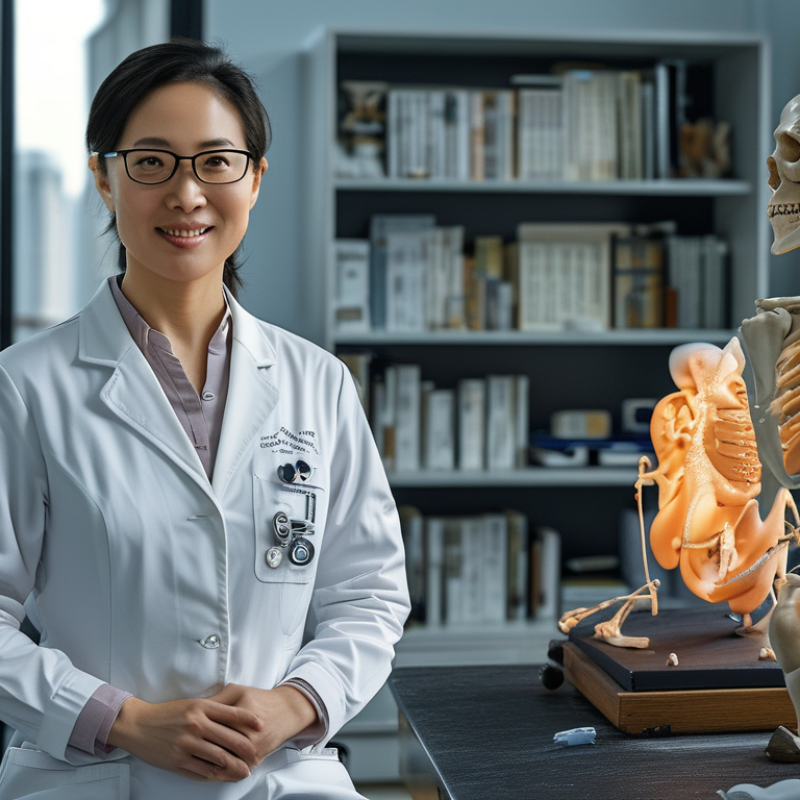
Top Orthopedic Products from China for Global Buyers?

Top Manufacturers of Orthopedic Products in China

China has emerged as a key player in the orthopedic products industry. As a vital hub for manufacturing, it provides a wide range of orthopedic solutions, including implants, braces, and surgical instruments. According to a report from Research and Markets, the global orthopedic devices market is expected to surpass $60 billion by 2027, driven by the increasing prevalence of musculoskeletal disorders and an aging population.

Top manufacturers in China have leveraged advanced technology to produce high-quality products. They often utilize modern materials and innovative designs to meet international standards. A survey in the International Journal of Orthopedics highlights that approximately 70% of orthopedic manufacturers in China are investing in research and development. This focus ensures reliable and cutting-edge solutions for global buyers.

However, challenges remain. Quality control and regulatory compliance are ongoing issues. Some manufacturers struggle to maintain consistent quality across their product lines. This raises questions about long-term reliability in the global market. Industry experts emphasize the importance of thorough vetting processes when selecting suppliers. Understanding these nuances can help buyers make informed decisions in a rapidly evolving market.

Innovative Technologies in Chinese Orthopedic Devices

In recent years, China's orthopedic device industry has seen remarkable advancements. According to a report by Research and Markets, the orthopedic device market in China is projected to reach $16 billion by 2025. This growth is largely due to the adoption of innovative technologies. These innovations include advanced imaging techniques and minimally invasive surgical instruments.

One notable trend is the increased use of 3D printing in orthopedic devices. This technology allows for custom implants that fit patients better. For instance, studies indicate that personalized implants can lead to a 30% reduction in post-surgery complications. Additionally, the incorporation of smart sensors into orthopedic implants is gaining traction. These sensors monitor real-time data, helping doctors track recovery more effectively.

However, challenges remain. The regulatory environment for new devices can be stringent, delaying the introduction of groundbreaking solutions. Furthermore, there is a need for comprehensive training among medical staff to utilize new technologies fully. Addressing these issues is crucial for continued growth and innovation in China’s orthopedic sector.

Top Orthopedic Products from China for Global Buyers

Product Type Key Features Material Used Innovative Technology Global Market Trend
Orthopedic Implants Biocompatible, customizable designs Titanium, stainless steel 3D printing technology Growing demand in Asia and Europe
Joint Replacement Devices Minimally invasive options Polyethylene, ceramics Patient-specific instrumentation Expansion in developing nations
Surgical Instruments High precision, ergonomic design Stainless steel, polymer Robotic-assisted surgery tools Increasing use in minimally invasive procedures
Braces and Supports Lightweight, breathable materials Neoprene, elastic fabric Smart wearable technology Rising sales due to fitness trends
Rehabilitation Equipment User-friendly, customizable settings Aluminium, carbon fiber Tele-rehabilitation solutions Booming global market post-pandemic

Quality Standards and Certifications of Chinese Orthopedic Products

When exploring orthopedic products from China, quality standards hold substantial importance. Many manufacturers comply with global certifications like ISO 13485 for medical devices. These certifications ensure that products meet safety and quality norms. Buyers can look for CE marking, which signifies compliance with European health, safety, and environmental protection standards. These certifications serve as a reassurance to global customers.

However, disparities in quality across manufacturers exist. Despite certifications, not all products deliver consistent performance. Some might meet basic compliance but lack rigorous quality control processes. Buyers should scrutinize factories and demand third-party inspections before purchasing. Engaging with reputable suppliers can help mitigate risks associated with subpar products. Additionally, considering user feedback can provide deeper insights into product reliability. Not every manufacturer may be transparent, highlighting the need for due diligence.

Market Trends: Global Demand for Chinese Orthopedic Solutions

The global orthopedic market is experiencing a surge in demand for solutions from China. According to a recent report from Market Research Future, the orthopedic device market is projected to reach $67 billion by 2025, with an anticipated annual growth rate of 5.2%. This presents a significant opportunity for Chinese manufacturers. Their competitiveness lies in cost-effective production and advanced technology.

Chinese orthopedic products include implants, braces, and surgical instruments. Many manufacturers invest heavily in research and development. This focus enhances product quality while keeping prices low. For instance, the China Medical Device Market Report highlights that local companies now contribute over 50% to the domestic market share. Yet, challenges remain, including regulatory barriers and quality control issues that buyers must navigate.

Moreover, the aging population worldwide drives the demand for orthopedic solutions. In regions like North America and Europe, hip and knee replacements are becoming commonplace. The North American orthopedic device market alone is expected to reach $28 billion by 2026. While Chinese products are now globally recognized, buyers should ensure comprehensive evaluations of product quality and manufacturer reliability. Balancing cost with quality remains key in this evolving sector.

Top Orthopedic Products from China for Global Buyers

This chart illustrates the global demand for various orthopedic products from China, showcasing significant interest in hip implants, knee implants, and spinal devices among international buyers.

Key Considerations for Global Buyers of Orthopedic Products from China

Global buyers of orthopedic products from China face unique challenges. Understanding these challenges is vital for successful procurement. Quality control is a significant concern. Buyers must ensure that products meet international standards. This requires clear communication with manufacturers. Regular quality audits can help maintain standards.

Logistics is another critical consideration. Shipping delays and customs regulations can complicate the process. It's essential to partner with reliable logistics providers. They can help navigate these complexities. Additionally, establishing a buffer for delivery times is wise. This can prevent disruptions in supply chains.

Cultural differences also play a role in international business. Building strong relationships with suppliers is crucial. Trust and transparency can lead to better negotiations. Misunderstandings due to language barriers may arise. Engaging local experts can help mitigate these issues. They offer insights into market trends and practices. This knowledge can enhance decision-making.

FAQS

: What types of orthopedic products are manufactured in China?

: China produces a variety of orthopedic solutions, including implants, braces, and surgical instruments.

How significant is China's role in the global orthopedic market?

China is a key player, with the market expected to exceed $60 billion by 2027 due to rising demand.

What is the focus of many manufacturers in China's orthopedic industry?

Many manufacturers are investing in research and development to create high-quality, innovative products.

Are all orthopedic products from China of reliable quality?

Not all products maintain consistent quality, despite certifications. Some manufacturers struggle with quality control.

What certifications should buyers look for when purchasing orthopedic products?

Buyers should seek certifications like ISO 13485 and look for CE marking to ensure safety and quality compliance.

How can buyers mitigate risks when selecting orthopedic suppliers?

Buyers should conduct thorough vetting, demand third-party inspections, and consider user feedback before making a purchase.

What logistical challenges do global buyers face when sourcing from China?

Shipping delays and customs regulations can complicate procurement, requiring reliable logistics partnerships.

Why is communication important when dealing with suppliers in China?

Clear communication helps ensure that products meet international standards and reduces misunderstandings.

How can cultural differences affect procurement from China?

Cultural differences may lead to misunderstandings; building strong relationships with suppliers can enhance negotiations.

What strategies can enhance decision-making for global buyers?

Engaging local experts can provide insights into market trends and help navigate the complexities of procurement.

Conclusion

China has emerged as a significant player in the global orthopedic products market, offering a wide range of innovative devices that cater to the evolving needs of healthcare providers and patients worldwide. The top manufacturers in China are utilizing cutting-edge technologies, enhancing the functional capabilities and effectiveness of orthopedic solutions. With a focus on stringent quality standards and certifications, these products are increasingly gaining recognition and trust among global buyers.

As the demand for affordable and advanced orthopedic solutions grows, China's market trends reflect a commitment to meeting international standards while remaining competitive. For global buyers, it's crucial to consider factors such as product quality, technological advancements, and supplier reliability when sourcing orthopedic products from China. By navigating these considerations, buyers can successfully tap into a rich array of orthopedic offerings tailored to meet diverse healthcare needs.

Liam

Liam

Liam is a dedicated marketing professional with a profound expertise in the industry, where he excels at highlighting the unique advantages of our core products. With a keen understanding of market trends and consumer needs, Liam frequently updates our company’s professional blog, providing......