SNK Medical
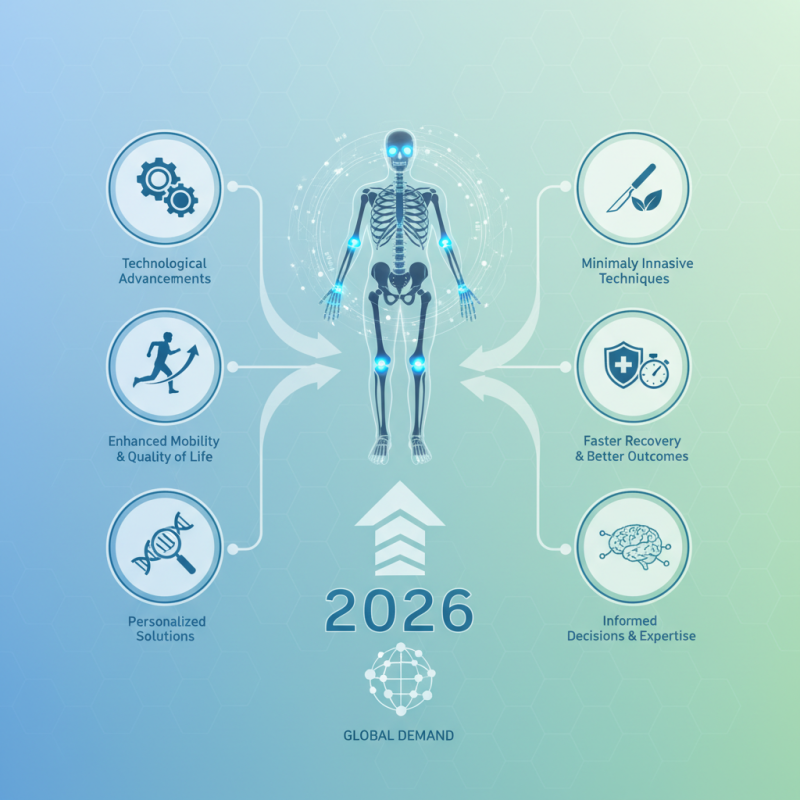
As the global demand for orthopedic solutions continues to rise, the landscape in 2026 will be shaped by advancements in technology and patient care. Orthopedic treatments are increasingly significant for enhancing mobility and quality of life. This sector faces challenges, including the need for more personalized solutions and the integration of smart technology.
With numerous products and procedures available, buyers must navigate a complex marketplace. Key players are focusing on innovative materials and minimally invasive techniques. These developments promise better recovery times and enhanced outcomes for patients. However, understanding the effectiveness of these options can be daunting.
The need for reliable information is essential. Buyers should seek expertise when selecting orthopedic solutions. Making informed decisions will ensure better health results for patients. As we approach 2026, the orthopedic field must continue to adapt to these evolving needs.
The global orthopedic market is undergoing significant changes as it heads toward 2026. Recent reports indicate a growth projection of around 6% CAGR from 2021 to 2026. The demand for minimally invasive procedures is rising, as patients seek quicker recovery times and less postoperative pain. This shift highlights a growing preference for advanced methodologies, such as arthroscopy and robotic-assisted surgery.
Innovations in orthopedic implants are reshaping the landscape. Data suggests that bioresorbable implants are gaining traction due to their reduced risk of complications. By 2026, they may account for a notable segment of the market. Surgeons are increasingly interested in these solutions, which align with a broader move toward personalized medicine and improved patient outcomes.
Emerging markets are showcasing a different narrative. Regions in Asia-Pacific are expected to witness rapid growth due to increasing healthcare access. However, challenges persist, such as inconsistent quality standards and varying levels of healthcare infrastructure. Addressing these issues will be crucial for global buyers seeking to navigate the complexities of this evolving market.
Innovations in orthopedic technology are transforming patient care in remarkable ways. Advanced imaging techniques, like 3D MRI and CT scans, enhance diagnosis. Surgeons gain detailed insights into bone structure and joint conditions. This precision allows for more tailored treatment plans, leading to improved surgical outcomes.
Robotic-assisted surgeries are setting new standards in precision. These systems minimize invasive procedures, reducing recovery times. Patients experience less pain and quicker rehabilitation. However, the integration of robotic systems poses challenges. Training staff and ensuring consistent operation can be complex.
Smart wearable devices are another significant advancement. They monitor recovery progress and provide real-time feedback to patients and doctors. Yet, the reliance on technology raises concerns about data privacy and accuracy. How well do these devices reflect a patient's true condition? These innovations highlight the ongoing journey of enhancing patient care in orthopedics, filled with both promise and challenges.
Orthopedic surgery is evolving rapidly, with new materials and techniques emerging. In 2026, buyers will look for reliable solutions that improve patient outcomes. One innovative material gaining attention is bioactive ceramics. These ceramics can bond with bone and promote healing. Their use in joint replacements shows promise. Surgeons appreciate how these materials enhance durability and reduce complications.
Techniques are also advancing. Minimally invasive surgery has gained traction. This approach leads to less trauma and quicker recovery times. Surgeons utilize smaller incisions, which reduce pain and scarring. However, this technique requires specialized training. Not all practitioners are comfortable with these methods yet. Ongoing education is vital to ensure safety and effectiveness.
Robotics plays a significant role in modern orthopedic procedures. Robotic systems assist surgeons in precise incisions and placements. This technology improves accuracy but poses challenges in accessibility. Not every hospital can afford such equipment. The reliance on high-tech solutions raises questions about equality in healthcare. As the field progresses, it must address these disparities to ensure broader benefits for all patients.
In 2026, the orthopedic market will see rapid transformation. Leading manufacturers are focusing on innovation and sustainability to gain an edge. Many companies are now exploring advanced materials and minimally invasive techniques. The global orthopedic device market is projected to reach USD 66 billion by 2026, growing at a CAGR of around 5%. This growth is driven by an aging population and rising sports injuries.
Competitive strategies among global manufacturers include partnerships and collaboration with research institutions. By investing in R&D, companies enhance their product lines. However, navigating regulatory approvals remains a challenge. A recent report indicated that over 30% of new orthopedic devices face delays in the approval process due to stringent regulations. Unmet needs in patient care also drive innovation. Manufacturers must balance cost-effectiveness with high-quality patient outcomes.
Tips: Always consider the end-user’s perspective. Understanding patient needs shapes product design. Regular market assessments are crucial for staying ahead. Companies should invest in data analytics for better trend prediction and consumer insight. In a rapidly evolving market, maintaining agility is key for success.
The orthopedic sector is undergoing significant transformation. Global buyers face a range of market challenges. Cost pressures continue to rise. A recent report estimated that costs could increase by up to 15% by 2026. This trend creates a burden for hospitals and clinics trying to manage budgets while ensuring quality care.
Opportunities exist despite these challenges. Advanced technologies, such as 3D printing, can revolutionize orthopedic implant manufacturing. A market analysis showed that these innovations could reduce production time by 30%. However, not all healthcare providers are adapting. Many lag behind, hesitant to invest in new solutions.
Moreover, regulatory hurdles pose risks for buyers. Navigating compliance means resources may be diverted from essential areas like patient care. Buyers must prioritize finding suppliers who are committed to transparent practices and adherence to regulations. This approach can mitigate risks and ensure a reliable supply of quality orthopedic solutions.
: The aging population and rising sports injuries are significant growth drivers.
Many companies focus on innovation and sustainability to gain a competitive edge.
Over 30% of new devices experience delays due to stringent regulatory approvals.
Technologies like 3D printing can reduce production time by 30%.
Costs could increase by up to 15% by 2026, affecting hospitals' budgets.
It shapes product design and enhances overall patient outcomes.
They should prioritize suppliers committed to transparency and regulatory adherence.
Many lag behind due to reluctance to invest in innovative solutions.
Regular market assessments and investment in data analytics are crucial.
Agility is key to adapt to rapid market changes and challenges.
The article titled "Top Orthopedic Solutions for Global Buyers in 2026" provides a comprehensive overview of the anticipated trends within the global orthopedic market. It highlights the key innovations in orthopedic technology that are set to enhance patient care, ensuring improved outcomes through advanced surgical methods and equipment. The discussion includes the leading materials and techniques currently shaping orthopedic surgery, with a focus on maximizing efficiency and patient recovery.
Furthermore, the article examines the positioning of top global manufacturers and their competitive strategies, shedding light on how these entities are prepared to navigate the challenges and capitalize on the opportunities present in the orthopedic sector. As the market evolves, it becomes crucial for buyers to understand these dynamics to make informed purchasing decisions, especially in an industry that continuously seeks to improve standard practices and patient satisfaction.
