 SNK Medical
SNK Medical
SNK Medical
Choosing the right orthopedic products is rarely a simple catalog exercise. Global buyers must connect clinical needs, product quality, supply reliability, and patient safety. A low price may look attractive, but it can hide weak materials, limited documentation, or inconsistent sizing.
This guide examines the Top 10 Orthopedic Product Types for Global Buyers. It covers supports, braces, splints, mobility aids, rehabilitation equipment, orthopedic footwear, implants, surgical instruments, compression products, and related accessories. Each category serves a different purpose. A knee brace for daily walking is not equivalent to one designed for post-operative recovery. Small details matter, including hinge movement, foam density, stitching, skin contact, packaging, and adjustment range.
Reliable purchasing requires more than technical specifications. Buyers should review manufacturer experience, quality systems, testing records, product labeling, and after-sales support. They should also confirm whether instructions are clear for clinicians and end users. A product that performs well in one market may require different documentation or customization elsewhere.
Details matter.
Real-world evaluation can reveal problems that brochures omit. Straps may loosen during repeated movement. Plastic edges may irritate sensitive skin. Delivery schedules may change unexpectedly. No buying guide is flawless, and product comparisons can overlook local clinical habits. That limitation deserves attention. Still, a careful review of Orthopedic product types can help distributors, hospitals, clinics, and professional buyers make more informed decisions. The strongest choice is not always the most advanced. It is the product that fits the intended use, user, budget, and verified quality requirements.
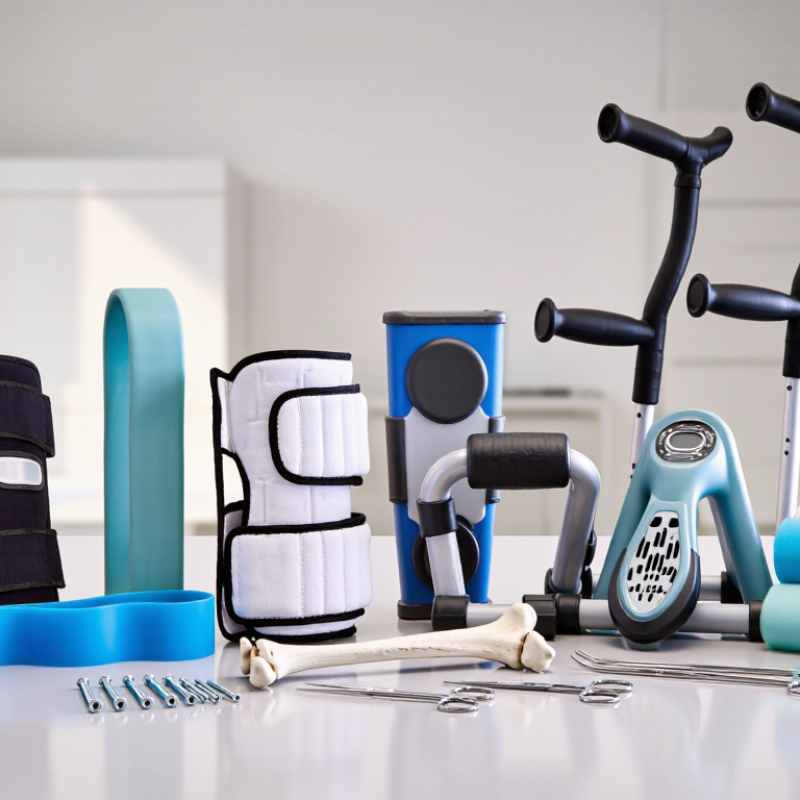
Orthopedic products support bones, joints, muscles, and movement. Buyers usually classify them by function, body area, usage time, and clinical risk. Common groups include braces, supports, mobility aids, rehabilitation equipment, orthopedic footwear, surgical implants, trauma fixation devices, spinal products, joint replacement systems, and cast materials.
This classification helps purchasing teams compare products more accurately. A knee brace for daily support differs greatly from a post-surgical immobilizer. Buyers should check material strength, sizing ranges, adjustment methods, sterilization status, and intended users. Small details matter. A weak strap can reduce patient confidence.
The World Health Organization and UNICEF reported in 2022 that more than 2.5 billion people need assistive products worldwide. This figure may exceed 3.5 billion by 2050. Many orthopedic supports overlap with this wider assistive-product market. Market research from Grand View Research also identifies aging, sports injuries, and musculoskeletal disorders as major demand drivers. However, market categories are not perfectly consistent. Some reports combine implants with rehabilitation products, while others separate them. Global buyers should review product definitions before comparing market data, suppliers, or import requirements. That step is easy to overlook.
Orthopedic products support bones, joints, muscles, and movement. They include braces, mobility aids, casts, orthotics, implants, and rehabilitation equipment.
Buyers classify them by function, body area, usage time, and clinical risk. Definitions can overlap. Check them carefully.
A daily knee brace supports controlled movement during ordinary activities. A post-surgical immobilizer restricts movement more firmly during recovery. They are not interchangeable.
Braces may use neoprene, breathable textiles, aluminum stays, or molded thermoplastics. Plaster and fiberglass casts stabilize fractures. Foam-lined splints allow easier inspection and adjustment.
Buyers should review material strength, size ranges, adjustment methods, and intended users. They should also check cleaning instructions and traceability. Small details matter.
Foot orthotics commonly use EVA foam, carbon fiber, cork, or medical-grade polymers. Walking boots usually combine molded shells, adjustable straps, and shock-absorbing soles. Fit remains critical.
Walkers need stable rubber tips, comfortable grips, and suitable height settings. Crutches may include padded supports and adjustable shafts. Wheelchairs need responsive brakes and durable frames.
Implants may use titanium alloys, stainless steel, or medical ceramics. They require strict quality controls, traceability, and clinical oversight. Materials alone do not guarantee performance.
Some reports combine implants with rehabilitation products. Others separate these categories. Comparisons can become misleading without consistent definitions.
Yes. Poor sizing, weak straps, or unclear instructions can reduce confidence and safety. A product may appear durable but still fit badly. That deserves reflection.
This guide provides global buyers with a practical overview of the Orthopedic product market, explaining how products are classified by clinical purpose, body area, user group, and retail application. It reviews ten major product types, including supports, braces, splints, mobility aids, rehabilitation equipment, compression products, orthopedic footwear, surgical instruments, implants, and protective accessories. Each category is discussed through its common materials, functional features, intended uses, durability, comfort, and suitability for professional or consumer settings.
The article also outlines the standards buyers should evaluate before placing an order, including product quality, safety testing, labeling, documentation, certifications, and regulatory compliance in the target market. In addition, it offers a framework for comparing suppliers by production capability, customization options, pricing, minimum order quantities, logistics performance, packaging, warranty terms, replacement policies, and after-sales support. This approach helps international buyers make informed purchasing decisions while balancing product performance, total cost, delivery reliability, and long-term supplier cooperation.
