SNK Medical
As we move towards 2026, the market for orthopedic products is set to evolve rapidly. The demand for innovative solutions is on the rise. With advancements in technology, new products emerge every year. These products aim to improve mobility and enhance quality of life.
In choosing orthopedic products, it is crucial to consider several factors. First, look for quality and durability. Materials should withstand daily use. Comfort is another priority. Poorly designed items can lead to more pain. Additionally, customization options are becoming increasingly important. Personalized solutions cater to individual needs.
Research is essential in this sector. Brands with a strong reputation often deliver better results. However, not all claims are genuine. Take time to read reviews and seek expert opinions. Ultimately, making informed choices leads to better orthopedic health and recovery outcomes.
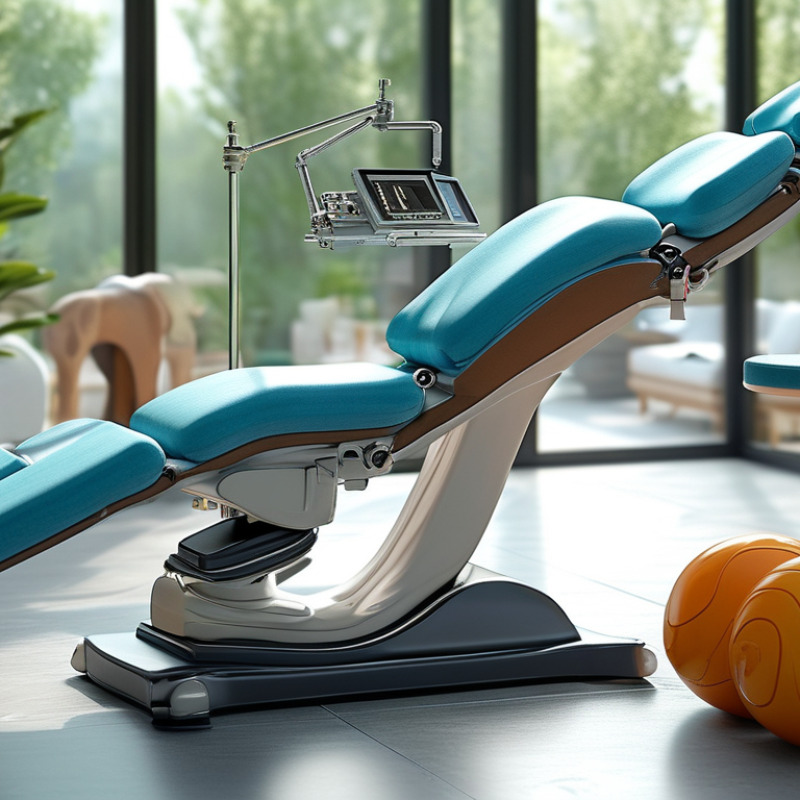
The orthopedic market is evolving rapidly, with emerging trends shaping the landscape for 2026. One prominent trend is the integration of smart technology in orthopedic devices. According to a recent industry report, the global smart orthopedic device market is projected to grow by over 12% annually. These devices offer real-time data tracking, enhancing patient outcomes.
Another noteworthy trend is the increasing focus on personalized solutions. Tailored orthopedic products, including custom implants and 3D-printed braces, are gaining traction. A study from a leading health institute indicated that personalized orthopedic solutions could reduce recovery times by up to 30%. Patients are increasingly looking for options that suit their unique anatomical needs.
Sustainability is also becoming a priority in orthopedic product development. Manufacturers are exploring biocompatible materials and eco-friendly production processes. A survey revealed that nearly 70% of consumers consider sustainability a crucial factor in their purchasing decisions. Despite these advancements, challenges remain, such as ensuring affordability and accessibility for all patients. The balance between innovation and inclusivity will be vital as we approach 2026.
When selecting orthopedic devices, key features are essential to ensure effective treatment. User comfort is paramount. Look for devices that feature ergonomic designs and padded materials. Comfort reduces user fatigue and encourages adherence to treatment. Studies indicate that discomfort can lead to non-compliance in 30% of patients.
Durability is another critical factor. Orthopedic products endure significant wear and tear. Quality materials contribute to longevity. Reports show that devices made from high-grade polymers can last 20% longer than standard products. This durability translates into cost-effectiveness over time.
Weight and adjustability also impact functionality. Lighter products allow for easier mobility, which is crucial for patient independence. Devices that adjust to various body sizes ensure inclusivity and better fit. Research indicates that personalized fittings can improve patient satisfaction rates by 40%. Careful consideration of these features can lead to better outcomes and improved quality of life for users.
The orthopedic product market has shown significant growth. According to a recent report, it is projected to reach $57 billion by 2027. This reflects an increasing demand for advanced orthopedic solutions. The focus is on products like joint replacements, braces, and mobility aids.
Surveys indicate that 30% of patients prioritize comfort when purchasing orthopedic devices. Quality is another critical factor, with 45% of consumers citing durability as essential. Moreover, there’s a noticeable shift towards innovative technologies such as smart braces. These devices collect real-time data to aid recovery. However, the reliance on technology raises questions about user data privacy.
Additionally, the aging population is driving the market. By 2025, the number of older adults with mobility issues is expected to double. This demographic shift may lead to an oversaturation of products. Manufacturers should balance innovation with practical, user-friendly designs. Over-promising on capabilities can lead to consumer disillusionment. It’s crucial to set realistic expectations while emphasizing device benefits. The orthopedic industry must navigate these challenges to remain trustworthy.
The orthopedic industry is rapidly evolving with innovative materials and technologies. In 2026, a focus on lightweight, durable materials will be crucial. Advanced composites and thermoplastics are becoming standard in braces and supports.
These materials offer flexibility while ensuring stability.
Improvements in 3D printing techniques present exciting possibilities.
Custom-fitted orthopedic gear can now be produced quickly and affordably. This technology allows for tailored solutions that improve comfort and usability. However, inconsistencies in mass production and a learning curve in molding techniques still exist.
Smart technology integration is another key trend. Wearable devices that monitor performance are on the rise. These devices can track recovery and enhance rehabilitation. Yet, it's essential to address potential data privacy concerns as well. Users must remain cautious about the information shared and its implications for personal health.
In the evolving world of orthopedics, patient-centric designs are crucial. The focus has shifted towards enhancing user experience. This approach considers the needs and preferences of patients throughout their recovery journey.
Design elements like comfort and usability are paramount. For example, ergonomic grips on orthopedic devices make them easier to handle. Color and texture can also play a role in reducing anxiety. After all, a comforting design fosters a sense of trust and reliability, which is often missing in traditional orthopedic products.
However, not all designs hit the mark. Some products prioritize aesthetics over function. This can lead to frustration for patients trying to navigate their recovery. A deeper understanding of users is essential. Feedback from patients should drive innovations, ensuring that the products are genuinely beneficial. Ultimately, the goal is to create a seamless experience that empowers patients in their healing process.
: It is projected to reach $57 billion by 2027.
Comfort is prioritized by 30% of patients, while durability is essential for 45%.
Innovative technologies like smart braces collect real-time data to aid recovery.
The number of older adults with mobility issues is expected to double by 2025.
Balancing innovation with practical designs is crucial to avoid consumer disillusionment.
Lightweight, durable materials such as advanced composites and thermoplastics are key.
Custom-fitted orthopedic gear can be produced quickly but may face quality inconsistencies.
It enhances user experience and supports recovery by considering patients' needs.
It may frustrate patients and hinder their recovery process.
User feedback should drive innovations to ensure products meet patients’ actual needs.
As the orthopedic market continues to evolve, several key trends are anticipated for 2026. The focus will be on advanced materials and innovative technologies that promise to enhance the functionality and durability of orthopedic products. A critical aspect to consider while selecting orthopedic devices will be their design, which aims to improve patient comfort and usability. Additionally, an analysis of the best-selling orthopedic products in 2025 will reveal insights into consumer preferences and emerging trends.
Moreover, patient-centric designs are expected to take center stage, fostering a user experience that prioritizes the needs and feedback of individuals undergoing orthopedic treatment. By emphasizing accessibility and ease of use, manufacturers will likely shape the future of orthopedic gear, making it not only more effective but also more appealing to users. Overall, the orthopedic landscape in 2026 is set to be marked by innovation and a commitment to improving patient outcomes.
