medicalsnk
medicalsnk
medicalsnk
In the modern industrial and medical arena, the reciprocating cutting tool has evolved from a basic mechanical implement into a highly sophisticated instrument of precision. As a premier Reciprocating Cutting Tool Manufacturer & Supplier, we observe a global shift towards automation and high-efficiency power systems. In the medical sector specifically, the demand for reciprocating saws and drills has surged as orthopedic and trauma surgeries become more prevalent worldwide.
Currently, the market is bifurcated into heavy industrial applications—such as metalwork and demolition—and ultra-high precision medical applications. Our focus at Shanghai Schnecon lies in the latter, where "reciprocating" isn't just about movement, but about the control of oscillation frequencies to ensure minimal tissue trauma and maximum bone resection efficiency. North American and European markets continue to lead in technological adoption, but the Asia-Pacific region is rapidly emerging as a hub for both consumption and advanced manufacturing.

The industry is moving away from traditional carbon brush motors. Our SNK series utilizes magnetic levitation brushless technology, offering 50,000 hours MTBF. This reduces maintenance costs and eliminates carbon dust, which is critical in sterile surgical environments.
With the rise of mobile surgical units and field trauma care, the demand for high-capacity, quick-charge battery systems is at an all-time high. Modern reciprocating tools now prioritize power-to-weight ratios, ensuring surgeons can operate for extended periods without fatigue.
The future of cutting tools involves AI-assisted control. Tools that can sense bone density and adjust oscillation speeds in 0.01 seconds are no longer science fiction—they are the current R&D focus for leading suppliers.
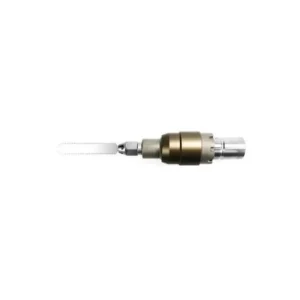
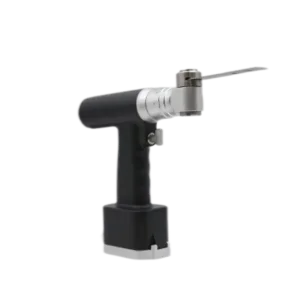
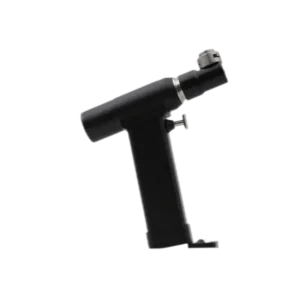
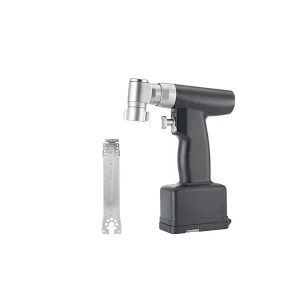
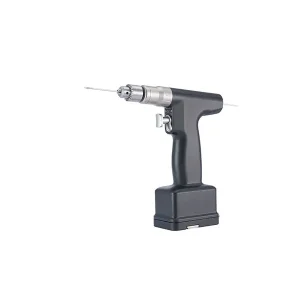
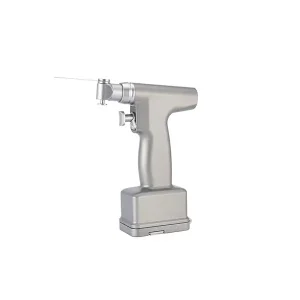
Designed for trauma and joint surgery, this high-speed brushless tool represents the pinnacle of our engineering capability. It features a modular design that supports multiple surgical attachments with seamless transitions.
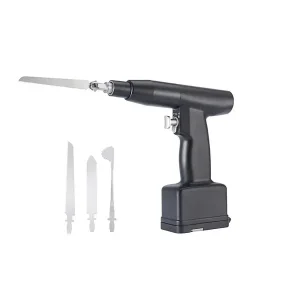
International procurement managers look for three primary factors: Reliability, Compliance, and Cost-Effectiveness. In the United States, the focus is often on FDA-compliant tools that integrate with existing hospital ecosystems. In contrast, emerging markets in Latin America and Southeast Asia seek robust, multi-functional systems that can handle a variety of orthopedic procedures with a single power base.
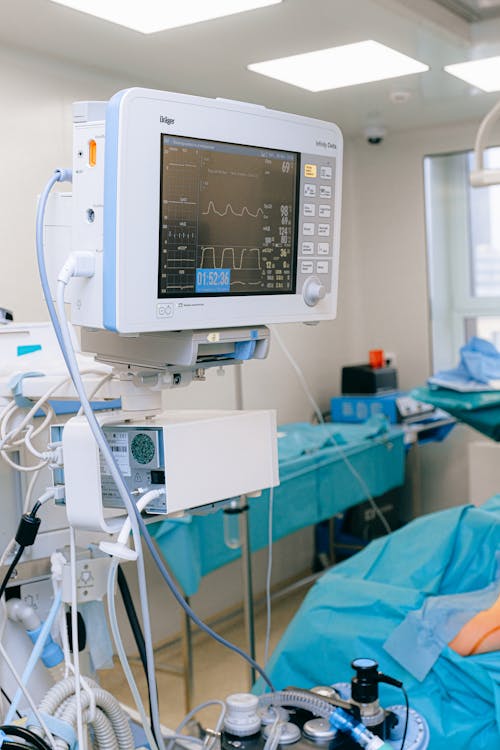
Our reciprocating cutting tools are used in diverse settings:
Each of these scenarios requires a specific oscillation amplitude and torque setting. As a versatile manufacturer, Shanghai Schnecon provides modular attachments to meet these localized clinical needs.
Founded in 2009, Shanghai Schnecon Technology Development Co., Ltd. has spent 16 years perfecting the art of medical power tools. Our advantage lies in the integration of Design, R&D, and Production under one roof.
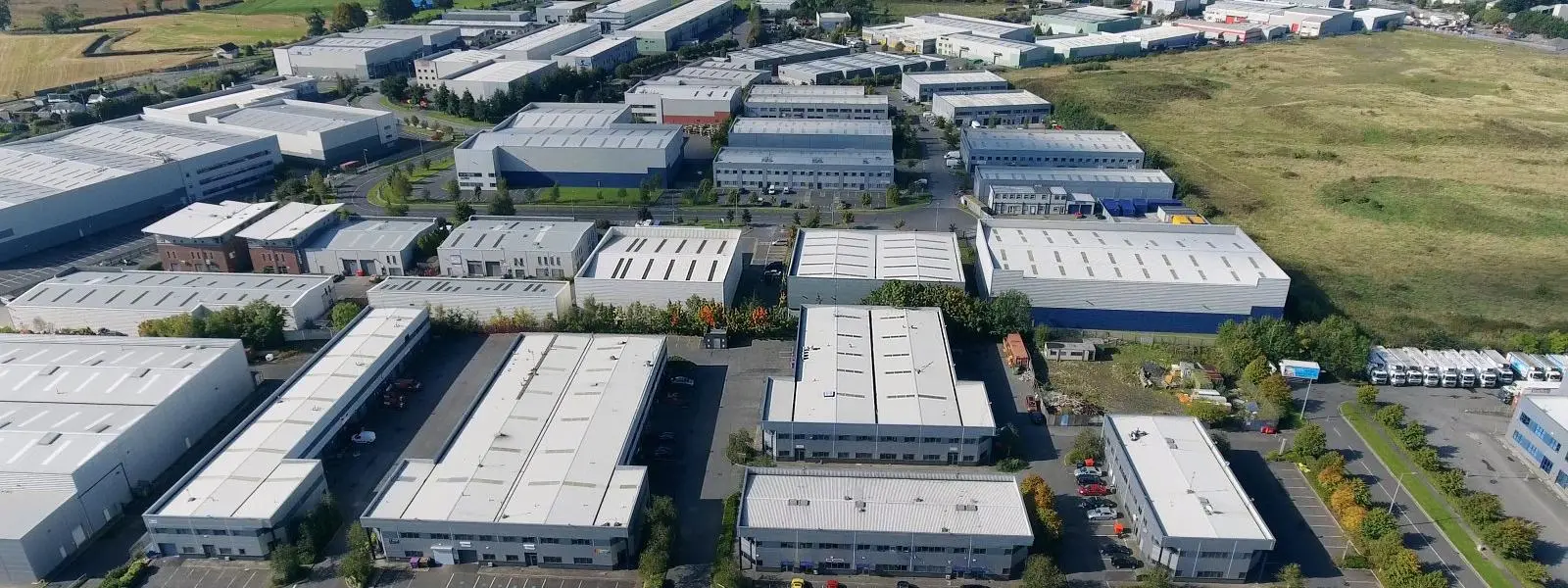
We are an orthopedic device company integrating design, R&D, production, sales and service. Our high-quality technical management team ensures that every tool leaving our facility meets international standards for surgical performance.
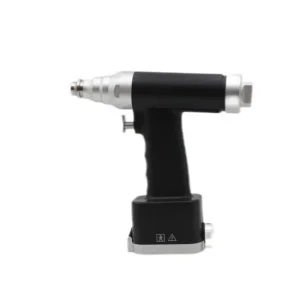
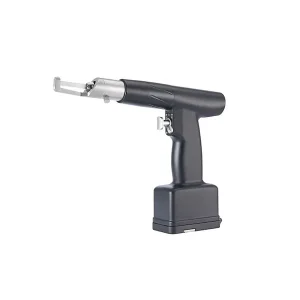
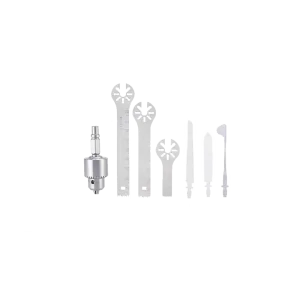
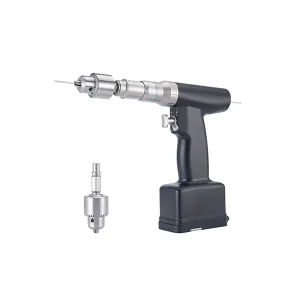
Our intelligent power platform is a game-changer for hospitals. A single modular handle can support up to 16 different surgical attachments, including bone drills, hollow drills, and oscillating saws.
With a 0.01s response time and magnetic levitation motors, we provide the stability required for micron-level accuracy in cranial or spinal surgeries.
Explore the Modular System →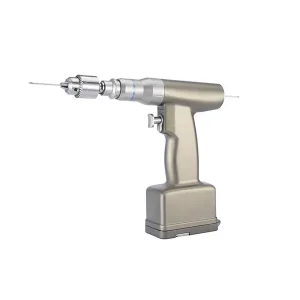
When evaluating a Reciprocating Cutting Tool Manufacturer, technical specifications are only half the story. The total cost of ownership (TCO) is heavily influenced by the tool's ability to withstand repeated sterilization cycles. Our tools are designed for 135°C steam autoclaving, ensuring that the internal electronics and motors remain unaffected by high-pressure moisture. This is a critical factor for hospital procurement teams who need to maximize the ROI of their surgical equipment.
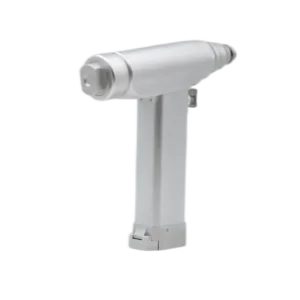
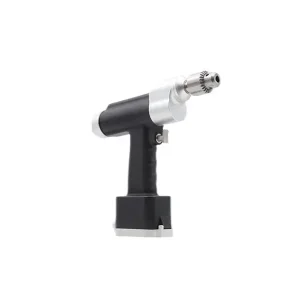
Furthermore, the "User Experience" or ergonomics of a cutting tool can significantly impact surgical outcomes. A tool that is too heavy or vibrates excessively can cause surgeon hand fatigue, leading to less precise cuts. Shanghai Schnecon's carbon brush and brushless motor series are balanced for optimal weight distribution. Our Carbon Bone Drill ND-1001, for instance, is praised for its ultra-lightweight design, which doesn't compromise on torque—reaching speeds up to 28,000 RPM in our high-end models.
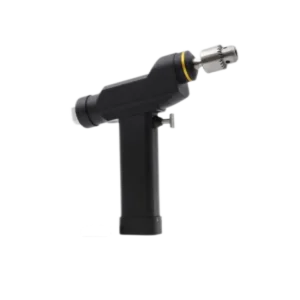
Global trends also indicate a move toward eco-friendly packaging and sustainable manufacturing. We have integrated eco-friendly materials into our product kits, such as the Carbon Bone Drill ND-1501(2), which comes in sustainable packaging without sacrificing the protection required for high-precision instruments. As a supplier, we are not just providing a tool; we are providing a comprehensive solution that includes after-sales service and technical support, which has been a cornerstone of our 16-year growth.
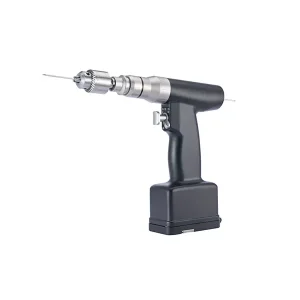
In the realm of trauma surgery, speed is of the essence. Our SNK Trauma Hollow Bone Drill S1010/S2010 series features quick-charge batteries that ensure the system is always ready for the next case. The integration of high-frequency oscillation (±5° amplitude precision) allows for clean cuts through dense cortical bone, reducing the risk of thermal necrosis—a common complication with lower-quality cutting tools.