SNK Medical
SNK Medical
SNK Medical
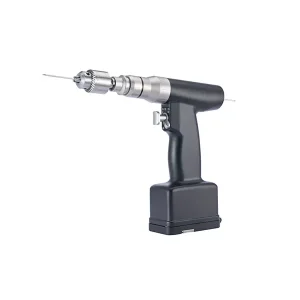
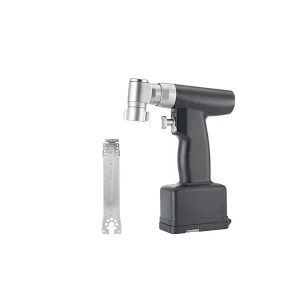
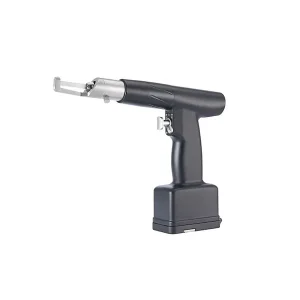
Japan has long been recognized as the global epicenter for precision motor technology. From the industrial hubs of Nagoya to the tech corridors of Tokyo, the shift from traditional brushed DC motors to Brushless DC (BLDC) motors has revolutionized the manufacturing landscape. For Japanese manufacturers and suppliers, the demand for brushless motors is driven by the country's relentless pursuit of efficiency, miniaturization, and long-term reliability.
In the Japanese context, "Monozukuri" (the art of making things) defines the quality standards expected by local industries. Brushless motors, which eliminate the friction and wear associated with carbon brushes, align perfectly with these standards. They offer superior power-to-weight ratios, which are essential for Japan's booming robotics sector and high-precision medical device industry.

Japan's industrial sector is currently undergoing a "Green Transformation" (GX). Brushless motors are at the heart of this transition due to their high energy efficiency. Key prefectures like Aichi, the heart of Japan's automotive industry, are increasingly adopting BLDC technology for electric vehicle (EV) components and automated assembly lines.
Furthermore, Japan's "Society 5.0" initiative promotes the integration of AI and IoT into every facet of life. This has led to a surge in demand for "Smart Motors"—brushless systems equipped with integrated sensors and controllers that can communicate performance data in real-time. Suppliers in Japan are now focusing on modularity, allowing for easy integration into complex robotic systems used in both Tokyo's skyscrapers and rural smart farms.

Expert Insight: "The Japanese market does not just seek a motor; they seek a long-term partner in precision. With the aging population in Japan, the demand for surgical power tools and medical robotics powered by brushless motors has increased by 15% annually."
In major medical hubs like Tokyo University Hospital and Osaka University Hospital, precision is non-negotiable. Our SNK series of brushless motors are designed for such high-stakes environments. The lack of carbon dust makes them ideal for sterile operating theaters, providing the clean, high-speed performance required for neurosurgery and orthopedic reconstructions.
The Kansai region is home to world-leading robotics manufacturers. Brushless motors facilitate the smooth, jerky-free movement required for Collaborative Robots (Cobots). Whether it's picking delicate electronics or assisting in heavy-duty logistics, the brushless motor's ability to maintain torque at various speeds is a game-changer for Japanese automation.
As Japan moves toward carbon neutrality, the development of urban air mobility (drones) and specialized EVs in Fukuoka and Nagoya relies heavily on lightweight BLDC systems. These motors provide the necessary lift and propulsion with minimal energy waste, extending battery life significantly.

Years Experience
Hours MTBF
Attachments
Shanghai Schnecon Technology Development Co., Ltd. is an orthopedic device company integrating design, R&D, production, sales and service. The company was established in 2009. After 16 years of hard work, it has accumulated rich experience in independent R&D and production, and cultivated a group of high-quality technical management teams.
We adhere to the corporate philosophy of "quality first, customer first, excellence and continuous innovation", and will continue to deepen the medical device industry, accumulate advanced technology and management experience at home and abroad, and strive to improve product quality and provide users with better services.
Our brushless motors utilize magnetic levitation technology, achieving 50,000 hours MTBF (3x lifespan of conventional models), ensuring reliability in Japanese industrial settings.
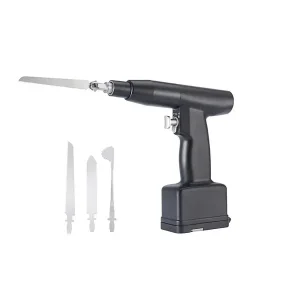
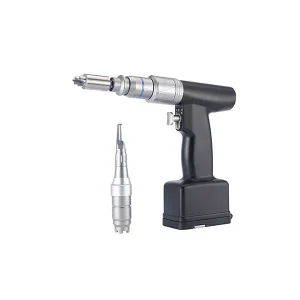
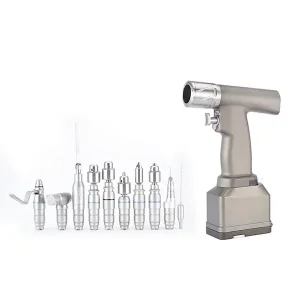
Modular design supports 16 surgical attachments with 0.01s response time. Perfect for the fast-paced, high-accuracy requirements of Tokyo clinics.
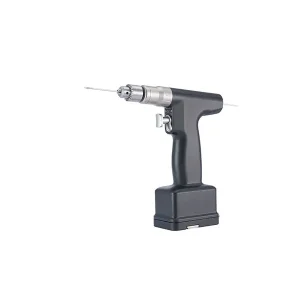
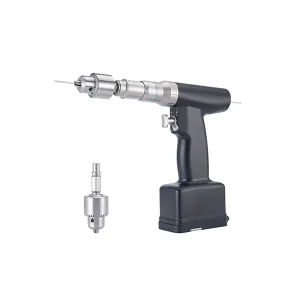
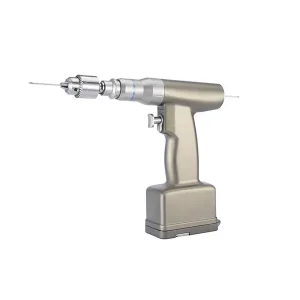
Bone drills (200-28,000 RPM) and cranial milling systems made with titanium alloy, meeting the strict quality audits of Japanese medical distributors.
The trajectory of brushless motor development in Japan is pointing towards even greater integration with Artificial Intelligence. As we look towards 2030, the Japanese market is expected to dominate the "Nano-Motor" segment. These are brushless motors so small they can be used in micro-invasive surgeries, such as clearing arterial blockages or performing intra-ocular procedures.
One cannot discuss Japanese motor suppliers without mentioning materials. The use of rare-earth magnets (like Neodymium) is being optimized to reduce weight while increasing magnetic flux. Our SNK series incorporates these high-grade materials to ensure that even our high-torque orthopedic systems remain ergonomic and easy for surgeons to handle during long procedures in Tokyo’s trauma centers.
In line with Japan’s environmental policies, the longevity of brushless motors is a significant selling point. By offering a 50,000-hour MTBF, we reduce industrial waste. Many Japanese companies are now implementing "Life Cycle Management" (LCM) for their motor systems, choosing suppliers like Schnecon who offer durable, repairable, and highly efficient brushless solutions.

The supply chain for brushless motors in Japan is incredibly robust. From the raw silicone steel used in laminations to the high-precision bearings sourced from companies like NSK or NTN, every component is part of a high-quality ecosystem. For international manufacturers looking to supply to Japan, understanding this ecosystem is vital. We ensure our motors are compatible with Japanese standards (JIS), making integration seamless for local distributors and OEM partners.
Connect with one of the leading brushless motor technology partners today. Our systems are ready for the Japanese market, offering unmatched reliability and technical support.