SNK Medical
SNK Medical
SNK Medical
Engineered for high-demand operating theatres in Myanmar. Featuring advanced brushless motor integrations, rapid charging mechanisms, and high autoclavable durability.
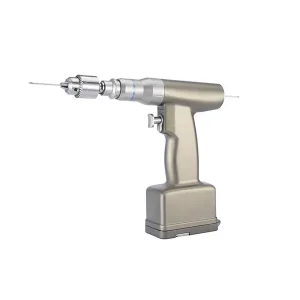
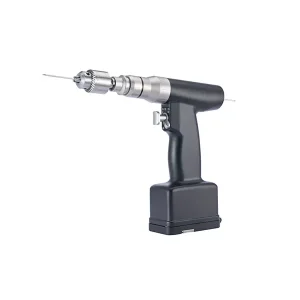
An in-depth analysis of medical electrification, Myanmar's local healthcare dynamics, and the manufacturing synergy driving global surgical advancements.
Precision Medical Manufacturing & R&D Excellence (Since 2009)
Mean Time Between Failures via Maglev Brushless Design
Autoclave Sterility Integrity with Advanced Thermic Insulation
Dynamic Closed-Loop Motor Response Time under Max Load
Myanmar's healthcare infrastructure is undergoing a steady transformation, with a growing focus on surgical precision, modernization of operating theaters, and accessibility to high-quality healthcare. In cities like Yangon, Mandalay, and Naypyidaw, orthopedic surgeries—ranging from trauma-induced bone fixation to complex joint reconstructions—have seen a rise in volume. Historically, surgical teams in regional hospitals relied heavily on traditional mechanical instruments or basic brushed-motor systems. However, the operational parameters of modern orthopedic interventions require tools that offer extreme reliability, variable speed control, and minimal thermal emissions.
The industrial landscape for manufacturing high-precision medical machinery inside Myanmar remains in its developmental stages. Consequently, Myanmar's private and public healthcare facilities rely primarily on international medical supply chains to source orthopedic drills, saws, and reamers. Due to geographical proximity, established border trade routes (such as the Ruili-Muse corridor), and robust diplomatic-commercial ties, Chinese medical device manufacturing firms play an indispensable role in providing medical grade, highly cost-effective orthopedic systems to Myanmar. The demand is particularly pronounced for brushless motor solutions, which eliminate the maintenance issues common to older brushed motors.
Compared to conventional carbon-brushed motors, brushless direct current (BLDC) motors present a paradigm shift for surgical instruments. In carbon-brushed motors, the physical friction between the graphite brushes and the rotating commutator creates carbon dust, heat, and gradual physical wear. In sterile surgical fields, carbon dust poses minor contamination risks, while excess heat can lead to thermal necrosis of adjacent bone tissues when temperatures exceed 47°C. Furthermore, brushed handpieces are highly vulnerable to the moisture and pressure experienced during standard autoclave sterilization cycles (typically 134°C at 2.1 bar pressure), which degrades the internal brushes rapidly.
By contrast, brushless motors utilize electronic commutation. Permanent magnets reside on the rotor, and the electromagnets are positioned on the stator, controlled by an external electronic driver. This configuration offers distinct clinical advantages:
As a leading Chinese designer and manufacturer, Shanghai Schnecon Technology Development Co., Ltd. (established in 2009) serves as a key partner for Myanmar’s medical distributors and healthcare networks. Operating for 16 years, Schnecon has bridged the gap between advanced R&D and regional market affordability. Through structured OEM and ODM channels, we deliver high-performance surgical power systems that match European and North American technical standards at highly competitive price points.
This supply chain integration ensures that Myanmar hospitals do not have to compromise between limited municipal budgets and patient safety. By sourcing directly from a Chinese brushless motor factory, local suppliers bypass multiple tiers of middlemen, securing direct technical support, custom branding options, and immediate access to replacement parts such as sterilization containers, battery packs, and surgical blades.
How our engineering platform achieves superior outcomes in durability, sterile safety, and clinical versatility.
By integrating magnetic levitation properties within our brushless motor stators, we minimize friction-based drag, providing smooth power transmission up to 28,000 RPM while maintaining quiet operating theatre environments.
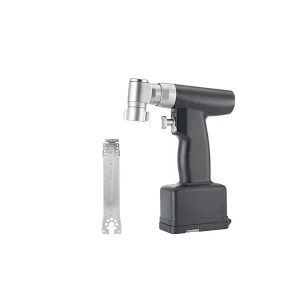
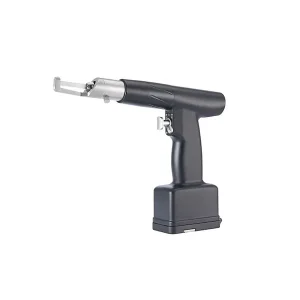
Our intelligent power handle supports up to 16 quick-connect surgical attachments. A single brushless motor handpiece dynamically transitions from a cranial mill to an oscillating saw, reducing instrument footprints.
Built-in closed-loop sensory microcontrollers monitor bone density resistance in real-time. If the drill meets increased calcified bone resistance, it automatically scales current supply within 0.01 seconds to prevent stalling.
A comprehensive array of surgical devices, cranial systems, and custom accessories manufactured under strict ISO 13485 quality protocols.
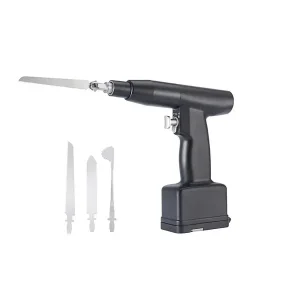
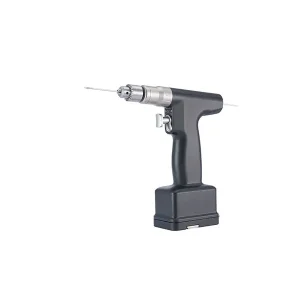
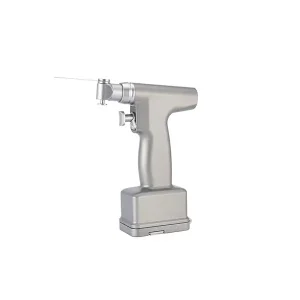
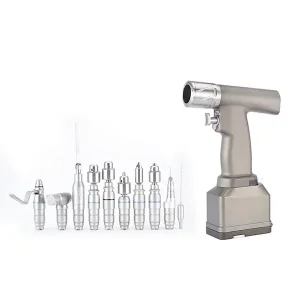
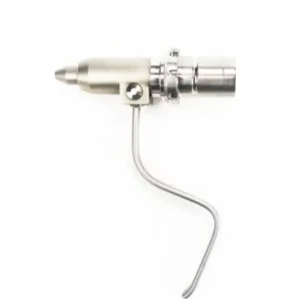
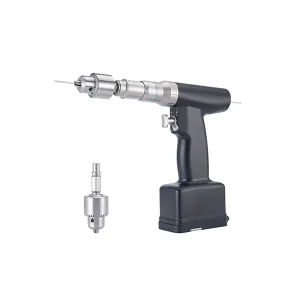
Surgical applications differ significantly based on hospital categories and regional patient demographics in Myanmar. In large-scale metropolitan hospitals like Yangon General Hospital (YGH) or Mandalay General Hospital, the emergency and trauma departments deal with a high volume of orthopedics trauma cases, including road traffic accidents and agricultural machinery injuries. In these settings, rapid bone fixation is essential. The SNK Trauma Hollow Bone Drill S1010/S2010 is highly suitable here; its cannulated design enables the precise passage of K-wires, intramedullary nails, and guide pins, significantly reducing overall operating times.
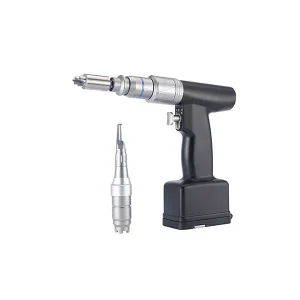
In municipal and private specialist clinics focused on elective joint arthroplasty (total hip or knee replacements), high axial torque is critical. Reaming the acetabulum requires slow speeds but substantial rotational power. Standard brushed motors often overheat or stall under these high loads. The SNK S1030/S2030 Slow-Speed Acetabular Reaming Drill delivers the necessary high torque, allowing surgeons to shape bone tissue accurately without causing thermal damage to the surrounding bone bed. This reliability helps support long-term implant integration and reduces the risk of post-operative aseptic loosening.
Procurement teams in Myanmar face complex purchasing decisions. They must balance initial capital acquisition costs with long-term operational expenses, sterilization cycle counts, and technical training. To address these challenges, Schnecon offers complete solutions designed for developing medical markets:
Standardization of Handpieces: Our modular systems allow hospitals to purchase a single primary handpiece engine (such as the S2000 series) and couple it with multiple surgical attachments (bone drills, sagittal saws, and reamers). This modular approach cuts acquisition costs by up to 50% compared to purchasing separate dedicated tools.
Empowering In-House Sterilization (CSSD): Autoclaving is the primary method for preventing surgical site infections. Schnecon's handpieces are constructed from anodized aluminum alloys and biocompatible plastics, allowing them to withstand thousands of autoclave cycles. This durability helps Myanmar Central Sterile Supply Departments (CSSD) maintain reliable instrument throughput.
Power Support Solutions: Given the potential for electrical grid instability in regional medical centers, our charging units feature wide-input voltage tolerance (100-240V). They are also equipped with fast-charging safety circuits that deliver full battery power within 40 minutes, minimizing downtime between back-to-back surgeries.
Technical guidance for biomedical engineers, hospital procurement directors, and medical device distributors in Southeast Asia.
A: Brushless motors lack wearing parts (carbon brushes), which increases handpiece service life, eliminates carbon dust emission in sterile fields, and reduces heat build-up. This minimizes the risk of thermal bone necrosis and provides higher torque output, lower noise levels, and superior tolerance to autoclave sterilization cycles.
A: Our handpieces utilize medical-grade seals and corrosion-resistant components designed to withstand up to 1,500 standard autoclave cycles (134°C for 5-18 minutes) before requiring minor maintenance, such as seal ring lubrication or replacement. This helps keep lifetime operating costs low.
A: We maintain close partnerships with medical distributors across Yangon, Mandalay, and Naypyidaw. We supply local distributors with critical spare parts (batteries, gearboxes, connectors, and saw blades) and provide technical training to biomedical engineering departments to ensure rapid turnarounds for maintenance.
A: Yes. We offer customized quick-connect couplings (including AO, Hudson, Stryker, and Zimmer quick-connect designs). This allows our handpieces to integrate seamlessly with a hospital's existing attachments and surgical drill bits, protecting their current equipment investments.
Whether you are establishing a new orthopedic trauma unit in Myanmar, upgrading existing surgical handpieces, or looking for a reliable OEM/ODM manufacturing partner in China, Schnecon provides high-quality, professional solutions.
Send Inquiry Now